• Facebook
  • Linkedin
  • Skype
  • YouTube
  • Twitter
Leave Your Message

What Is the Best Auto Lock Steering Wheel Lock?

Choosing the best Auto Lock Steering Wheel Lock is less about bold claims and more about dependable everyday use. A well-chosen device should fit your vehicle, attach without awkward handling, and feel sturdy when secured. Small details matter: the grip of the locking jaws, the visibility of the lock through the windshield, and whether it stores neatly under a seat.

That sounds simple, yet product descriptions do not always show how a lock behaves in a real car. Check the manufacturer’s fit guidance, materials, warranty, and instructions before buying. If possible, compare independent reviews and look for repeated comments about looseness, difficult operation, or wear. Fit matters. A lock that shifts on the steering wheel may be frustrating, while one that is cumbersome can be left unused. Test the locking and release steps at home, with the vehicle parked, and make sure the device does not interfere with normal driving controls when removed.

A steering-wheel lock is a visible deterrent, not a guarantee against theft. That distinction is easy to overlook. The right choice depends on your vehicle, storage space, budget, and willingness to use it consistently. The sections ahead compare the features that matter, explain common trade-offs, and offer practical checks for judging value. No single model suits everyone, and product claims deserve a careful second look.
What Is the Best Auto Lock Steering Wheel Lock?

How Auto-Locking Steering Wheel Locks Work

What Is the Best Auto Lock Steering Wheel Lock?

How Auto-Locking Steering Wheel Locks Work

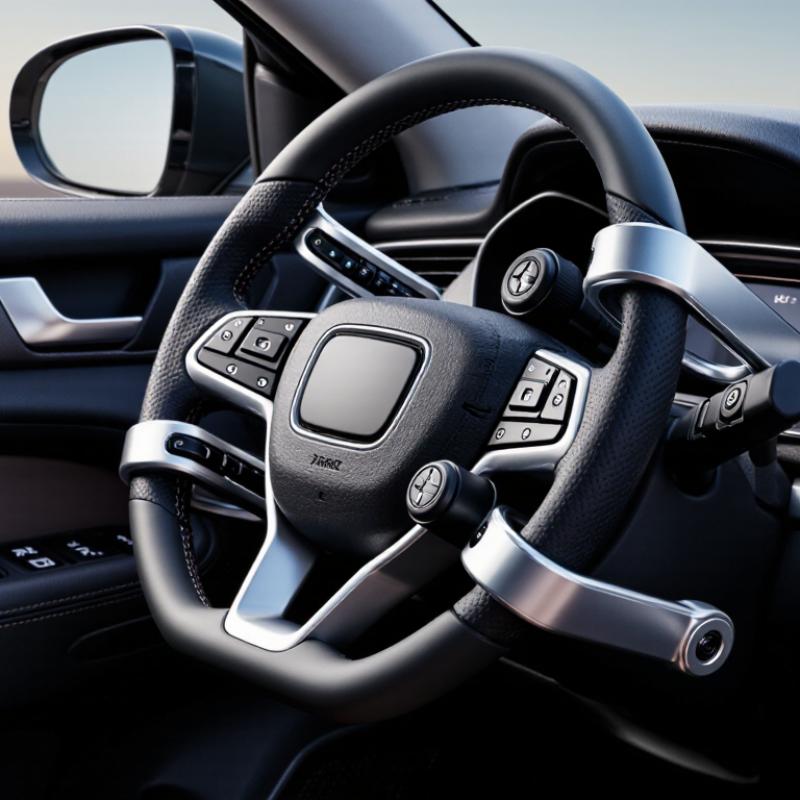
An auto-locking steering wheel lock is designed to secure itself when fitted, rather than needing a separate locking step. Many models use a spring-loaded catch or ratcheting mechanism inside the bar. As you adjust the lock across the steering wheel, its sections slide into position and engage. A key or release mechanism is then needed to remove it. The exact design varies, so check the instructions for your model.

Fit matters. The lock should sit firmly across the wheel without blocking your view or interfering with controls. A loose fit may make the device easier to shift, while forcing it can damage the wheel or lock. It is a visible deterrent, not a guarantee against theft.

Tips: Park safely, then fit the lock according to its instructions. Give it a gentle tug to check that it has engaged. Keep the key accessible, but not inside the vehicle. Inspect moving parts for wear or sticking; a mechanism that feels rough deserves attention. Small details matter, and it is easy to assume a click means everything is secure.
Key Features of a Reliable Steering Wheel Lock

What Is the Best Auto Lock Steering Wheel Lock?

Key Features of a Reliable Steering Wheel Lock

A reliable steering wheel lock should fit the wheel securely, without wobbling or pressing against the dashboard. Check its adjustment range against your vehicle’s steering wheel before buying. Fit matters. A loose lock may be easier to shift, while an awkward one may stay unused. The best choice is one you can attach firmly every time.

Look for sturdy steel construction, solid joints, and a locking cylinder that feels smooth rather than flimsy. A bright, visible design can discourage opportunistic tampering, but visibility is not a guarantee of protection. No lock is perfect. Consider how it handles daily use: Can you install it quickly in a dim parking area? Does it have padded contact points to help protect the wheel’s finish? Small details count.

Check the key mechanism and moving parts for snagging or sticking, and follow the maker’s care instructions. If possible, test the lock while the vehicle is parked and switched off. It should engage without excessive force and remain stable when gently moved. A long feature list can look impressive; in practice, a secure fit and consistent use matter more. Even a well-made lock can be inconvenient, so be honest about whether you will use it regularly.

What Is the Best Auto Lock Steering Wheel Lock? - Key Features of a Reliable Steering Wheel Lock

Feature What to Look For Why It Matters Practical Check Before Buying
Automatic locking action A clearly described mechanism that locks when the device is extended or engaged, without requiring a separate locking step. A simple, consistent routine makes it less likely that the vehicle will be left unsecured. Confirm how the lock engages and releases, and test the action if possible. Do not assume every steering wheel lock is an auto-lock model.
Steering-wheel compatibility An adjustable design with a stated range of compatible wheel sizes and shapes. A lock that does not fit securely may be easier to shift or remove and may not function as intended. Check the vehicle’s steering-wheel dimensions and compare them with the lock’s published fit range.
Secure locking engagement A mechanism that engages firmly, with no obvious looseness when fitted according to the instructions. A stable fit helps prevent the device from sliding or being repositioned during ordinary handling. After installation, check for excessive movement without forcing the lock or using tools.
Materials and construction Corrosion-resistant metal components, solid joints, and a finish that protects surfaces where the lock contacts the wheel. Durable construction can support regular use and help reduce wear to the steering wheel. Inspect the joints, coating, and contact points; look for clear care and maintenance instructions.
Visible deterrent A design that is noticeable from outside the vehicle when installed. A visible device may discourage opportunistic theft, although visibility alone cannot guarantee protection. Check whether the lock remains visible through the vehicle’s windows when fitted as directed.
Key and release system A reliable key-operated release, with clear guidance on key replacement and what to do if a key is lost. The lock needs to be removable by its owner while resisting unauthorized release. Review the key-replacement policy and keep spare keys in a secure place separate from the vehicle.
Ease of installation and storage Clear instructions, manageable weight, and a compact folded or stored position where applicable. A lock that is straightforward to use is more likely to be applied consistently. Consider whether it can be installed without obstructing driving controls and stored safely while the vehicle is moving.
Airbag and vehicle-safety clearance Instructions that explain correct placement and warn against interfering with the steering-wheel airbag or other controls. Incorrect placement may interfere with vehicle equipment or create a hazard. Follow the vehicle and lock instructions; never position the device over an airbag cover or where it obstructs safe operation.
Realistic security claims Specific, verifiable product information rather than claims that any steering-wheel lock is theft-proof. Physical locks are deterrents and layers of protection, not a guarantee against theft. Use the lock alongside sensible measures such as locking the vehicle and parking in a secure, well-lit location.

Selection tip: The best choice is a lock that fits the vehicle, engages consistently, is easy to use correctly, and does not interfere with airbags or driving controls.

Types of Auto-Locking Steering Wheel Locks

What Is the Best Auto Lock Steering Wheel Lock?

Types of Auto-Locking Steering Wheel Locks

An auto-locking steering wheel lock is a visible physical deterrent, not a guarantee. The NICB’s 2023 Vehicle Theft Trends Report recorded 1,020,729 vehicle thefts in the United States, about 1% fewer than in 2022. That context makes lock design worth understanding.

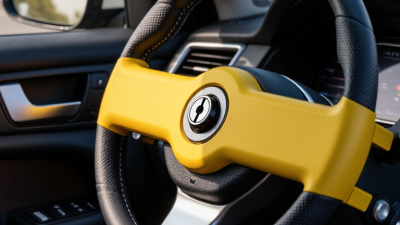
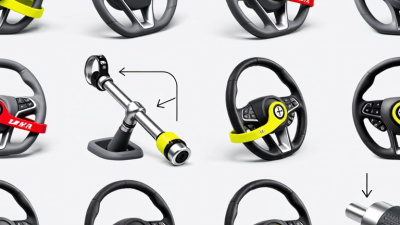
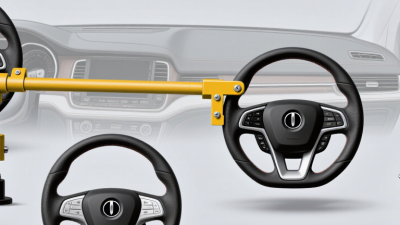
Fixed-length bar locks span the steering wheel and often meet the dashboard or windshield, limiting wheel rotation. Adjustable telescoping locks extend to fit different wheel diameters; their locking points should sit firmly without pressing against delicate trim. Full-wheel covers shield more of the rim and can be harder to grip, but take longer to fit and store. Some models use a key-operated cylinder, while others lock automatically when pushed or closed. Check the mechanism, key access, and fit with your vehicle before buying.

Fit matters. A loose bar may slide, while an overly tight one can be awkward to remove. Choose a design you can secure consistently, even in a dim parking area. No lock is foolproof. A steering-wheel device is one layer of security, alongside sensible parking and keeping valuables out of sight. Check the manufacturer’s fitting instructions; steering-wheel shapes and airbag covers vary, and a lock should never obstruct controls or visibility.

How to Choose the Best Lock for Your Vehicle

Choosing a steering-wheel lock starts with fit, not appearance. Measure the usable space across your steering wheel and check the lock’s stated size range; a loose bar can shift, while an awkward one may stay in the trunk.

Fit comes first. Look for a solid locking mechanism, a visible position when installed, and a release process you can manage quickly. Test it while parked, with the wheel straight and turned. Check that it does not press against the dashboard or block your view.

Fit comes first.

The risk is real, but a wheel lock is only one layer of protection. The National Insurance Crime Bureau recorded 1,020,729 vehicle thefts in 2023. NHTSA reported 1,001,967 thefts in 2022; the figures come from different reporting sources and should not be treated as a direct year-to-year comparison.

The Highway Loss Data Institute found lower theft claim frequency for vehicles with passive immobilizers, but that evidence concerns built-in electronic systems, not steering-wheel locks. Still, it supports combining visible deterrence with your vehicle’s existing security features.

Before buying, inspect the key or combination mechanism and ask whether replacement keys are available. A bright lock may be easier to notice through a window, though visibility alone cannot prevent theft.

Compare weight, storage space, and daily handling. Small annoyance matters. If fitting or removing the lock feels fiddly in daylight, it may be less likely to get used on a rainy evening.

Installation, Maintenance, and Security Limitations

What Is the Best Auto Lock Steering Wheel Lock?
Installation, Maintenance, and Security Limitations

An auto-lock steering wheel lock should engage firmly without requiring awkward force. Park on level ground, switch off the vehicle, and fit the device according to its instructions. Adjust its contact points so they rest securely against the wheel, not against buttons, trim, or the horn pad. Then tug gently to confirm it has latched. A loose fit can make the lock easier to shift and may damage the steering wheel. Small detail. Important one.

Check the mechanism regularly for sticking, rust, cracked parts, or a worn keyway. Wipe away dust with a soft, dry cloth, and use only maintenance products the maker permits. Do not force a stiff lock; that can worsen the problem. Store keys separately from the vehicle, and keep a spare in a secure place. I have seen owners treat a steering-wheel lock as fit-and-forget equipment. That assumption is not ideal.

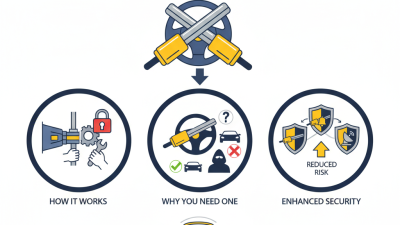
A visible lock can discourage opportunistic theft, but it cannot guarantee protection. Determined thieves may attack the steering wheel, break a window, or move the vehicle by other means. The device can also interfere with driving if it is left installed, so remove it before starting the car. Pair it with sensible parking choices and other appropriate security measures. No single device covers every risk.

What Is the Best Auto Lock Steering Wheel Lock? — Installation, Maintenance, and Security Limitations

How to read this chart: “Yes” describes a typical steering-wheel lock’s intended or direct function when correctly fitted; “No” means it does not provide that capability.

Choose a lock that fits securely and is straightforward to install. Inspect it regularly for damage, corrosion, and reliable locking action, following its care instructions. A steering-wheel lock is a visible deterrent, not a guarantee against theft; it does not replace other vehicle security measures.