• Facebook
  • Linkedin
  • Skype
  • YouTube
  • Twitter
Leave Your Message

Top 10 Types of Anti Theft Steering Wheel Locks?

Choosing the right Anti Theft Steering Wheel Lock requires more than picking the largest or brightest model. Different designs protect the steering wheel in different ways. Some block the wheel from turning, while others secure the wheel to the brake pedal or dashboard. Materials, locking mechanisms, visibility, installation time, and vehicle compatibility all influence their practical value.

This guide explores the top 10 types of anti-theft steering wheel locks, including traditional bar locks, chain-style models, pedal-to-wheel systems, and high-visibility devices. Each type has distinct strengths and limitations. A hardened steel bar may resist cutting better than a lightweight alloy model, but it can also be heavier to carry. A compact lock may fit neatly under a seat, yet its shorter reach could limit compatibility. Small details matter.

Real-world use often reveals what product descriptions overlook. A lock that takes two hands to install may be inconvenient during rain or poor lighting. A key cylinder can feel smooth in a showroom but become stiff after dust exposure. No lock guarantees complete protection. That point deserves honest attention. Effective vehicle security usually combines a reliable steering lock, careful parking, working alarms, and sensible key management. This overview uses practical comparisons and security-focused criteria to help readers assess durability, usability, visibility, and fit before making a purchase. Always check the manufacturer’s specifications for your vehicle.
Top 10 Types of Anti Theft Steering Wheel Locks?

Understanding Anti-Theft Steering Wheel Lock Mechanisms

Top 10 Types of Anti-Theft Steering Wheel Locks: Understanding Anti-Theft Steering Wheel Lock Mechanisms

A steering wheel lock works by limiting rotation, blocking access, or connecting the wheel to a fixed control. Common designs include full-cover locks, bar-to-bar locks, wheel-pedal locks, chain-style locks, and models with alarm sensors. Some use hardened steel bars. Others cover the entire wheel, creating a highly visible barrier.

Visibility matters. The National Insurance Crime Bureau recorded 1,020,729 vehicle thefts in the United States during 2023, a 1% increase from 2022. That figure does not prove every theft could be prevented by a steering lock. It shows why layered protection remains practical. A visible device may discourage casual attempts, while a strong locking cylinder resists quick manipulation. However, no mechanical lock is absolute.

During product checks, inspect the contact points around the rim and dashboard. A poorly fitted lock can leave gaps, scratch leather, or interfere with airbag areas. Wheel-to-pedal models add leverage, but installation takes longer. Full-cover designs offer stronger visual resistance, yet they may be bulky inside a small cabin. Alarm-equipped versions detect movement, although false alerts can reduce daily usefulness. Research from the Highway Loss Data Institute also indicates that theft-related losses vary with vehicle security technology, not one device alone. That distinction is easy to miss. A lock can strengthen a security routine, but it cannot replace careful parking, key control, and vehicle immobilization.
Top 10 Types of Anti-Theft Steering Wheel Locks

Understanding anti-theft steering wheel lock mechanisms through the number of vehicle interfaces they typically obstruct.

The index counts the main vehicle interfaces physically blocked by each lock design, such as the steering wheel rim, spokes, pedals, gear selector, or steering-column area. It is a mechanism comparison rather than a certified security rating; exact coverage varies by vehicle and product design.

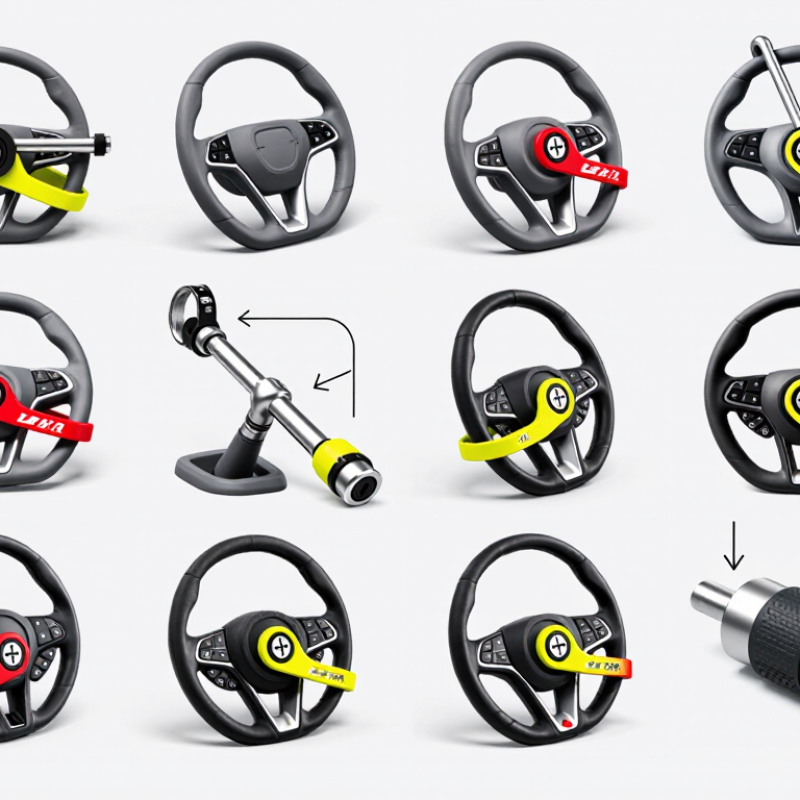
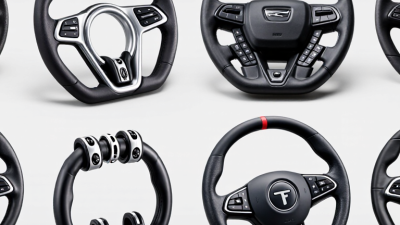
Ten Common Types of Steering Wheel Locks and Their Designs

Top 10 Types of Anti Theft Steering Wheel Locks

Steering wheel locks differ in shape, coverage, and installation method. In workshop inspections, I usually group them by how they restrict movement.

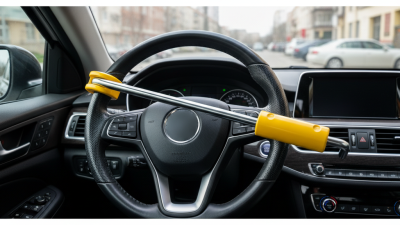
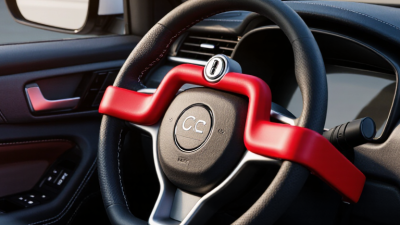
The straight-bar lock crosses the wheel and blocks rotation. A hooked bar grips the rim and rests against the dashboard. The twin-hook design holds opposite sides for better balance. Folding bar locks use hinged sections, making storage easier.

Some models include a bright warning color. It improves visibility, but color alone offers no security value.

A wheel-to-pedal lock connects the steering wheel with the brake or clutch pedal. A wheel-to-seat design uses a long bar and a fixed interior point. Cable-style locks are lighter, although their flexibility can reduce resistance. Chain-and-lock designs provide adjustable reach but may rattle against the wheel.

Full-cover shields surround much of the steering wheel, limiting access to its controls. Airbag-cover barriers add protection around the central section. They can be awkward in daily use.

Another design uses a hardened pin that passes through the wheel structure. It is compact, but installation must avoid wiring and airbag components. A removable-wheel system is different because the wheel itself comes away. It needs professional fitting and careful storage.

Check the lock’s contact points for scratches, loose fittings, and blocked controls. Do not force a poor fit.

I once saw a supposedly strong bar shift because its hook sat on a thin rim section. That detail changed my view of simple product claims. A lock should match the vehicle, remain visible, and allow safe driving before installation and after removal.

Key Features, Security Levels, and Vehicle Compatibility

Top 10 Types of Anti Theft Steering Wheel Locks: Key Features, Security Levels, and Vehicle Compatibility

Anti-theft steering wheel locks include full-wheel bars, dual-hook bars, chain-style locks, folding locks, and pedal-to-wheel designs. Other types use alarms, combination codes, adjustable arms, or reinforced locking cylinders. In vehicle inspections, I look for hardened steel, covered lock housings, and strong contact points. A thin bar may discourage casual tampering, but it offers limited resistance against determined force.

Security levels depend on construction, fit, and visibility. A high-security model should resist cutting, prying, and twisting for a reasonable period. An alarm adds attention, not absolute protection. Keyed locks are usually quicker to use, while combination locks avoid key storage. However, cheap code mechanisms can feel loose. That detail matters.

Compatibility requires careful measurement. Check the steering wheel diameter, spoke thickness, airbag area, and available dashboard space. Some full-cover designs may block instrument displays or interfere with wheel controls. Pedal-linked locks may not fit vehicles with unusual pedal layouts. My early mistake was choosing a lock by appearance alone. It looked solid, yet the hook barely reached the wheel rim. A snug fit is essential. Test installation while parked, and confirm that the lock cannot touch sensitive controls or scratch interior surfaces. Compact folding types suit small cabins, while longer bars work better with larger wheels. There is no perfect design. Practical fit often matters more than impressive packaging.

How to Choose and Properly Use a Steering Wheel Lock

A steering wheel lock adds a visible physical barrier, but choosing the right type matters. Common options include full-wheel bars, twin-hook locks, chain locks, pedal-to-wheel locks, and folding steering locks. Some use hardened steel, while others rely on a bright warning color and a compact design. The National Insurance Crime Bureau reported 1,020,729 vehicle thefts in the United States in 2023. That figure supports layered protection, not blind confidence in one device.

Fit comes first. Measure the steering wheel and confirm that the lock sits firmly without touching the airbag cover, dashboard, or control buttons. Choose a model with strong locking points, limited pry space, and a key or code that operates smoothly. Avoid loose movement. It should resist quick turning, not damage the wheel. Place it where it remains clearly visible through the window. Lock the device every time, even in a familiar driveway. Check the lock regularly for bent metal, worn joints, or corrosion. Replace it when defects appear. Small details matter.

No widely accepted industry report proves that one steering lock type stops every theft. That limitation deserves attention. The NICB recommends layered vehicle security, including secure parking and anti-theft technology. A lock should support those measures, not replace them. In daily use, test installation before leaving the car unattended. A rushed fit can create false reassurance. That is the part many owners overlook.

Top 10 Types of Anti Theft Steering Wheel Locks? - How to Choose and Properly Use a Steering Wheel Lock

No. Steering Wheel Lock Type How It Works Main Advantages Limitations Best Suited For Important Usage Tips
1 Telescoping Bar Lock A rigid adjustable bar spans the steering wheel and prevents it from turning. Simple to install, easy to store, and suitable for many steering-wheel sizes. Some compact models may offer limited resistance against determined tool attacks. Daily drivers seeking a visible and convenient deterrent. Adjust it tightly and position the bar so it cannot be easily struck against the dashboard.
2 Hook-Style Steering Wheel Lock A hardened hook engages the steering wheel rim while the body rests against the dashboard or seat. Creates a strong physical obstruction and is generally quick to fit. Compatibility depends on wheel thickness, spoke design, and dashboard clearance. Vehicles with conventional steering wheels and adequate interior space. Check that the hook fully surrounds a strong section of the rim rather than a fragile trim piece.
3 Dual-Hook Lock Two opposing hooks attach to different sections of the steering wheel and are connected by a locking bar. Provides a broad grip and can make cutting or slipping the lock more difficult. Usually heavier and may not fit wheels with unusual shapes or thick spokes. Drivers who prefer increased physical coverage over compact storage. Keep both hooks firmly seated on the rim and verify that the lock does not obstruct airbags or controls.
4 Full-Cover Steering Wheel Lock A rigid or reinforced cover surrounds much of the steering wheel, limiting access and movement. Offers extensive visual coverage and can protect the wheel surface from some tampering. Bulkier, slower to install, and more sensitive to steering-wheel dimensions. Owners prioritizing maximum visible deterrence and broad wheel coverage. Measure the steering wheel before purchase and do not install it over loose or damaged trim.
5 Folding Segmented Lock Several linked metal sections fold for storage and unfold to block steering-wheel rotation. Compact when stored and adaptable to different wheel positions. Hinges and joints require regular inspection for looseness, corrosion, or damage. Vehicles with limited storage space inside the cabin. Ensure every segment is fully extended and locked before leaving the vehicle.
6 Steering-Wheel-to-Pedal Lock A locking bar connects the steering wheel to the brake or clutch pedal, restricting both wheel movement and pedal operation. Uses two parts of the vehicle to create a more complex physical barrier. Installation takes longer and incorrect positioning may interfere with vehicle controls. Drivers seeking a multi-point mechanical deterrent. Install only when parked, keep the lock away from pedals while driving, and test removal before regular use.
7 Steering-Wheel-to-Brake Lock A hardened bar links the steering wheel to the brake pedal or another fixed control point. Combines steering restriction with limited access to a primary control. Can be awkward in vehicles with closely positioned pedals or limited legroom. Cars where a suitable brake-pedal attachment point is available. Confirm that the bar cannot press the brake pedal and remove it completely before starting the vehicle.
8 Steering-Wheel-to-Seat or Dashboard Lock The lock anchors the steering wheel to a fixed interior structure, reducing the available turning range. Can provide a stable counterpoint and may be less dependent on the wheel design. Fit varies significantly between vehicle interiors; contact with trim may cause damage. Vehicles with strong, accessible anchoring points inside the cabin. Use only approved structural contact points and avoid anchoring to fragile plastic panels or seat-adjustment parts.
9 Alarm-Integrated Steering Wheel Lock A mechanical lock includes a motion, vibration, or tamper sensor that activates an audible warning when disturbed. Adds an immediate sound-based deterrent to the physical barrier. May produce false alarms and requires charged or replaceable batteries. Parking areas where an audible warning can attract attention. Test the alarm regularly, replace batteries as needed, and adjust sensitivity according to the manufacturer’s instructions.
10 Removable Steering-Wheel Security System The steering wheel is removed or mechanically disconnected using a compatible security hub or locking mechanism. Eliminates normal steering-wheel operation when the vehicle is unattended. Requires compatible hardware, professional installation, and careful attention to airbag and electrical systems. Specialized vehicles or applications where the system is designed and installed correctly. Use only vehicle-compatible components and never modify airbag wiring or steering-column safety systems without qualified assistance.
General Selection and Safety Guidance: Choose a lock that fits the steering wheel and interior layout, uses durable locking components, and does not interfere with airbags, pedals, visibility, or normal driving controls. A steering-wheel lock is a visible deterrent and should be used together with the vehicle’s factory security system, sound parking practices, and other lawful theft-prevention measures.

Maintenance, Limitations, and Practical Security Considerations

Top 10 Types of Anti-Theft Steering Wheel Locks: Maintenance, Limitations, and Practical Security Considerations

Common formats include rigid bar locks, telescopic bars, full-wheel shields, hinged clamps, chain locks, wheel-to-pedal locks, pedal-to-wheel locks, seat-to-wheel locks, removable hub locks, and alarm-enabled models. Their value depends on fit, visibility, and resistance to cutting. A lock that leaves wide gaps may provide confidence without meaningful delay. Fit matters. Before buying, measure the wheel and check whether the lock blocks gauges, controls, or safe airbag operation.

Maintenance is simple but important. Inspect the locking cylinder monthly for dust, corrosion, and loose joints. Use only the lubricant recommended by the manufacturer. Avoid forcing a stiff key. Store the device inside the cabin, not on a wet floor. Technicians should also check damaged leather, spoke pressure, and sharp edges after repeated use. A bright, intact lock can discourage opportunistic theft, but it cannot replace a functioning immobilizer, alarm, or secure parking routine.

The National Insurance Crime Bureau recorded 1,020,729 vehicle thefts in the United States during 2023. That figure explains the demand for visible deterrents, but it does not prove that steering locks prevent theft. Research from the Highway Loss Data Institute has linked electronic immobilizers with lower theft risk, while comparable public data for steering locks remains limited. Thieves may cut the steering wheel, attack the locking cylinder, or tow the vehicle. I would not call any manual lock foolproof. In practice, layered security works better, although users often forget the weakest layer: leaving keys, documents, or valuables inside.