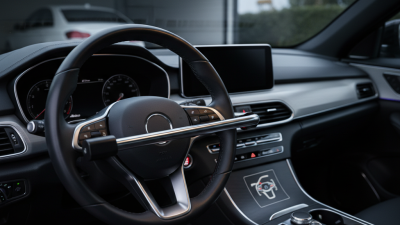
Choosing the best car steering lock for your vehicle is crucial. A good steering lock can deter thieves and protect your investment. With numerous options available, making the right choice can be overwhelming. It’s important to consider factors like materials, locking mechanisms, and compatibility with your car model.
When evaluating a car steering lock, prioritize durability and ease of use. Look for locks made from high-quality materials that resist tampering. A visible lock may also discourage potential thieves. However, remember that no lock is invincible. Each option has its strengths and weaknesses.
While some users rave about their steering locks, others may find shortcomings. A lock that fits perfectly for one car may not work for another. Take the time to research and read reviews. Align your choice with personal needs and vehicle specifics to enhance security effectively.

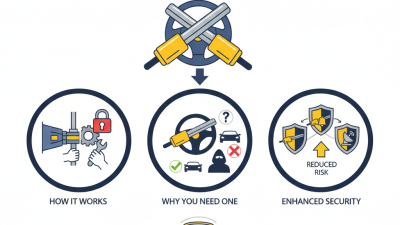
A car steering lock plays a crucial role in vehicle security. According to a report by the National Highway Traffic Safety Administration (NHTSA), over 700,000 vehicles are stolen in the U.S. each year. A steering lock significantly reduces the likelihood of theft by immobilizing the steering wheel. This added layer of security can deter opportunistic thieves and potentially save vehicle owners from significant financial loss.
Many drivers underestimate the effectiveness of a steering lock. A study from the Insurance Institute for Highway Safety (IIHS) reveals that visible anti-theft devices can lower vehicle theft rates by 30%. This simple tool often serves as a strong visual deterrent. When a thief sees a steering lock, they may think twice and look for an easier target.
While steering locks are effective, they are not foolproof. Some sophisticated criminals may still bypass these devices. It's essential to combine a steering lock with other security measures, like an alarm system or GPS tracker. This layered approach not only enhances security but also provides peace of mind for owners. Ultimately, the decision on which steering lock to choose should be based on an understanding of its advantages and limitations.
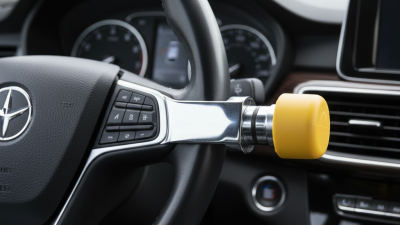
When selecting a car steering lock, understanding the different types available is essential.
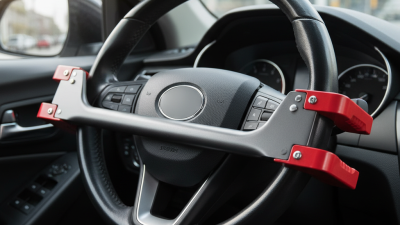
One common type is the bar steering lock. This device fits across the steering wheel. It is sturdy and visible, deterring potential thieves. However, installing and removing it may take extra time.
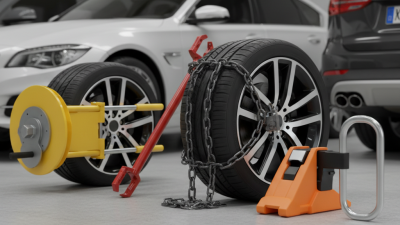
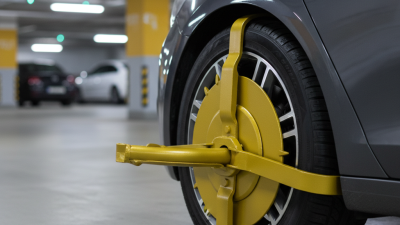
Another popular option is the wheel lock. This device secures the wheel itself. It offers strong protection and can be easy to install. Nonetheless, it may not fit every wheel size, and users need to confirm compatibility before purchasing.
Additionally, electronic steering locks have gained popularity. They synchronize with the vehicle's ignition system. When engaged, they prevent the steering wheel from turning. Despite their advanced technology, they can malfunction, causing inconvenience. Potential buyers should weigh the pros and cons of each type carefully.
Each option has its own strengths and weaknesses, so making an informed choice is crucial.
When selecting a steering lock, several key factors must be assessed to ensure optimal security for your vehicle. The first consideration is the material of the steering lock. High-quality locks are typically made from hardened steel, which resists cutting and tampering. According to a report from The Vehicle Security Institute, locks made with such materials can deter nearly 80% of potential thieves. A durable, solid design is essential for both protection and longevity.
Another crucial aspect is the ease of use. Users should find a lock that is simple to install and remove. Complicated mechanisms can lead to frustration, increasing the likelihood of abandonment. A 2023 survey indicated that 65% of vehicle owners prefer locks that can be engaged in under a minute. Time efficiency directly influences daily usage, which affects overall vehicle security.
Aesthetics can also play a role. Some drivers might prioritize a lock’s appearance, opting for designs that complement their vehicle’s interior. Yet, it is essential to balance style with functionality and effectiveness. Picking a lock solely based on looks may lead to compromising security features. By thoughtfully weighing these factors, drivers can enhance their vehicle’s defense against theft, fostering greater peace of mind.
Installing a car steering lock requires careful attention to detail. Begin by selecting a suitable model that fits your vehicle's steering wheel. According to a recent industry report, around 25% of stolen vehicles were taken without a security device in place. This highlights the importance of using a steering lock.
Once you have your lock, ensure that you follow the manufacturer's guidelines for installation. Typically, the lock should wrap securely around the steering wheel, with the key or locking mechanism easily accessible. Remember to test the security of the lock after installation. A reliable lock should not move or rattle when the wheel is turned. Some users have reported that improper installation can compromise security, so take your time.
Using a steering lock is equally important. Engage the lock whenever you leave your vehicle unattended, especially in high-risk areas. Current statistics show that vehicles with visible security measures deter about 60% of potential thieves. Consider situating the lock where it is noticeable. A poorly placed lock may not deter an experienced thief. Each time you use the lock, check for any signs of wear. A routine check can prevent unexpected failures.
Maintaining and caring for your steering lock is essential for ensuring its longevity and effectiveness. Regular inspection is crucial. Look for signs of wear or rust, as these can affect performance. Cleaning your lock with a soft cloth can remove dirt and debris that may accumulate over time. Lubricating the keyhole with graphite or a similar product helps keep it functioning smoothly.
Proper storage is also important. When not in use, keep your steering lock in a dry place to prevent moisture buildup. Excessive moisture can lead to corrosion and malfunction. It’s worth noting that even the most robust locks require attention. Sometimes, a simple twist can jam the mechanism. Understanding these little quirks can help you avoid frustrating situations.
Lastly, consider routine checks. Test the lock's operation periodically, ensuring it secures properly. Ignoring these maintenance steps could leave you vulnerable. If you find issues, address them immediately. Keeping your steering lock in top condition is not just about protection; it's about peace of mind.
| Feature | Description | Importance | Maintenance Tips |
|---|---|---|---|
| Material Quality | High-quality materials such as hardened steel are more resistant to cutting and picking. | Essential for providing maximum security. | Inspect for rust and wear regularly; store in a dry place. |
| Lock Mechanism | Advanced locking mechanisms (e.g., double-locking) increase security. | Higher resistance against unauthorized access. | Lubricate the mechanism periodically with graphite lubricant. |
| Size and Fit | Must be compatible with your vehicle's steering wheel. | Ensures proper function and effectiveness of the lock. | Check fit regularly and adjust as needed for any changes. |
| Portability | Lightweight models are easier to carry and store. | Enhances convenience for everyday use. | Store in the vehicle for easy access; avoid leaving in plain sight. |
| Price | Varies based on features; balance between price and security quality. | Important to consider your budget alongside security needs. | Research reviews to ensure you're getting good value. |