How to Choose a Car Steering Wheel Lock in 2026?
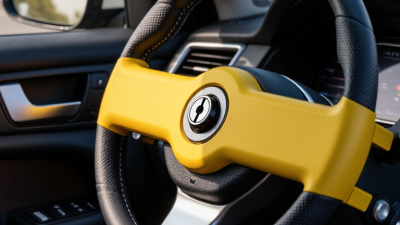
In 2026, choosing a steering wheel lock is less about buying the largest device and more about finding one that fits your car and routine. A Car Driving Wheel Lock can add a visible layer of deterrence, but no physical device can promise complete protection. The right choice should feel secure in your hands, sit firmly on the wheel, and be straightforward to remove when you need to drive.
Start by checking compatibility with your steering wheel’s diameter, shape, and any unusual controls or trim. Measure carefully; a lock that almost fits may still be awkward or unreliable. Look for sturdy materials, a secure locking mechanism, and construction that is less likely to scratch the wheel. A bright finish may make the device easier to notice through a window. That can matter. Also consider where you will store it, how heavy it feels, and whether daily installation is realistic. A lock left in the trunk offers little practical value.
Compare product specifications and warranty terms, and read recent reviews for repeated comments about fit, durability, and ease of use. Treat dramatic security claims cautiously. No review replaces checking the actual dimensions or testing the lock according to its instructions. Vehicle designs vary, and even a well-made lock may not suit every model. I would not choose by price alone. A compatible device used consistently may be more useful than an impressive-looking lock that becomes inconvenient after a week. The best decision is a practical one: verify fit, understand the limits, and combine the lock with sensible parking habits and your vehicle’s existing security features.
Understand How Steering Wheel Locks Work and Their Limitations
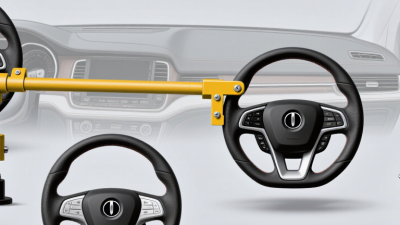
A steering wheel lock works by physically linking the wheel to a rigid bar or blocking its rotation. If fitted tightly, it can make steering difficult and add a visible obstacle before a thief can drive away. That may encourage someone to choose an easier target. But it is a deterrent, not an immobilizer. It does not stop a vehicle from being towed, protect its windows, or secure keys left inside. A lock can buy time, not certainty.
The National Insurance Crime Bureau’s 2023 Hot Spots report, based on FBI data, recorded 1,020,729 vehicle thefts nationwide. That figure shows the scale of the problem; it does not measure how well steering locks prevent theft. In choosing one, check that its bar fits your wheel securely, resists easy slipping, and can be stored without obstructing driving. Test the fit while parked. A loose lock may look reassuring, yet leave room for movement. And even a solid model has limits: a determined thief may attack the wheel or use another method. This is easy to overlook. Pair the lock with basic habits, such as taking valuables and keys with you, rather than treating one device as complete protection.
How a Steering Wheel Lock Works—and What It Doesn’t Stop
A conventional steering wheel lock physically obstructs steering-wheel rotation while it is fitted. It is not a direct barrier to vehicle entry, electronic or keyless attacks, or towing, and it can be defeated. Treat it as a visible deterrent and an extra layer of security, not a guarantee against theft. The chart shows direct mechanical coverage—not success rates or measured theft reduction.
Check Your Vehicle’s Steering Wheel Size, Shape, and Fit
A steering-wheel lock can look secure and still fit poorly.
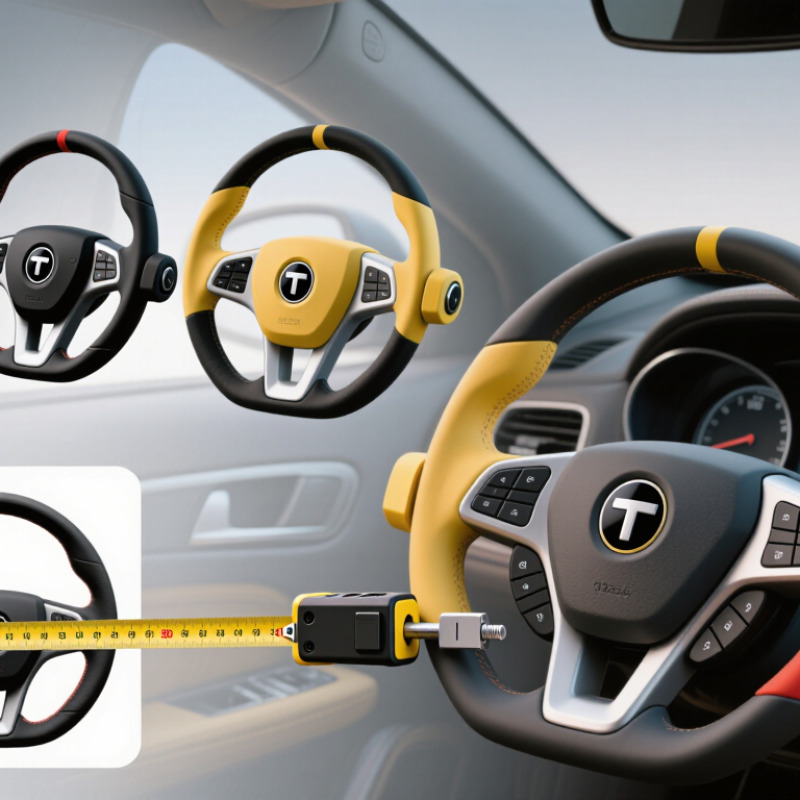
Measure the wheel before choosing one. Check its outside diameter across the center, then measure the rim’s thickness and note where the spokes meet it. A deep dish, bulky controls, or an unusual spoke layout can block a lock’s contact points. Fit depends on shape, not diameter alone.
The National Insurance Crime Bureau’s 2023 Vehicle Theft Report recorded
1,020,729 vehicle thefts
in the United States that year. That figure describes reported thefts; it does not prove that any steering-wheel lock prevents theft. Treat fit as a practical safety check. Compare your measurements with the lock’s stated range, and confirm that it sits firmly without pressing on the airbag cover, buttons, or display. Vehicle trims can differ, even within one model year. I learned that the hard way while comparing two cars.
Tips: Park safely and test the lock before relying on it. It should attach without force, avoid delicate surfaces, and leave no easy route around the wheel. If it rocks, slips, or blocks controls, choose another size or design. Don’t guess.
Compare Lock Types, Materials, and Security Features
Steering-wheel locks differ in how much of the wheel they cover and how they resist force. A bar lock spans the rim and may limit steering after a small adjustment. A full-cover model shields more of the wheel, but takes longer to fit and uses more cabin space. Some designs connect the wheel to a pedal; check that your pedal layout allows a snug, stable fit. Fit matters. Measure the wheel before buying, and avoid pressing the lock against the horn pad or airbag cover. Check fit.
Material and mechanism matter as much as shape. Hardened steel generally resists bending better than thin, soft metal, while a protective coating can reduce scratches. Inspect the joints, telescoping sections, and locking cylinder; these are potential stress points. A visible lock may discourage opportunistic theft, but no portable device makes a car theft-proof. Look for a covered keyway and smooth, consistent locking without excessive play. Try fitting it in low light or while wearing gloves. That test can reveal awkward handling. I would not choose by weight alone: a heavy lock may be inconvenient, and a lighter one is not automatically weak. Compare the stated materials and warranty details, then choose a lock you can use consistently.
Assess Ease of Use, Visibility, and Everyday Practicality
A steering-wheel lock should be quick to fit in a dim parking garage, not just impressive in a product photo. Check that its arms adjust securely to your wheel and that you can lock and remove it without straining. Try the routine before buying, if possible. A stiff key cylinder or awkward release can turn daily use into a chore. Also check that the device does not scratch the wheel or interfere with the airbag area when fitted. Remove it before driving. An obvious, bright lock may attract attention, but visibility alone does not guarantee protection.
The scale of theft is worth keeping in perspective. The National Insurance Crime Bureau reported 850,708 vehicle thefts in the United States in 2024, down 17 percent from 2023. That national figure does not show whether steering-wheel locks prevented individual thefts, so treat a lock as one layer, not a guarantee. For everyday practicality, consider where you will store it, whether it fits your vehicle, and how easily you can see that it is engaged. A heavy lock may feel reassuring at home and become annoying during a rainy commute. That trade-off is real. Check the fit, operation, and visibility in your own parking routine before relying on it.
Verify Compatibility, Build Quality, and 2026 Product Details
How to Choose a Car Steering Wheel Lock in 2026?
Verify Compatibility, Build Quality, and 2026 Product Details
A steering wheel lock is useful only when it fits your specific vehicle. Check the exact make, model, and year against the current fitment information. Then compare the lock’s reach with your steering wheel’s diameter and spoke layout. It should sit securely without pressing buttons, covering controls, or interfering with the airbag area. A product listing that says “universal” may not answer these details.
Inspect build quality closely. Look for sturdy metal sections, firm joints, smooth edges, and a keyway that does not feel loose. A heavy lock is not automatically a stronger one. In 2026, confirm that the product page, packaging, and instructions show the same model details and included parts. Check whether the stated warranty and support information are current. A polished listing can still leave gaps; it is easy to overlook small print when shopping quickly.
Tips: Measure your wheel before ordering. Save the fitment details, and check the return terms. If anything is unclear, ask the seller before purchase.