• Facebook
  • Linkedin
  • Skype
  • YouTube
  • Twitter
Leave Your Message

2026 How to Choose a Steering Wheel Lock Bar?

Choosing a Steering Wheel Lock Bar is not about finding an unbreakable device. It is about adding a visible obstacle, matching the lock to your vehicle, and using it consistently. The risk is real: the National Insurance Crime Bureau’s 2023 report recorded 1,020,729 vehicle thefts in the United States, about 1% more than in 2022. That figure covers vehicle theft overall, not thefts prevented or caused by steering-wheel locks. A lock should therefore be treated as one layer of protection, not a guarantee.

A useful principle from former NICB president David Glawe’s public theft-prevention guidance is to reduce opportunity through practical precautions. This is a paraphrase, not a verified direct quotation about steering-wheel locks. In this guide, we’ll compare bar length, adjustability, locking mechanism, materials, visibility, and ease of daily use. Imagine fitting the bar across your wheel, checking that it cannot slide free, then removing it quickly before driving. Small details matter. A bulky lock left in the trunk offers no deterrent; a poorly fitted one may create false confidence. No device is perfect. We’ll also point out where product claims deserve scrutiny, because bright colors and heavy steel do not prove resistance to every attack. Use the advice as a buying framework, and verify fit against your vehicle’s steering-wheel dimensions and the manufacturer’s instructions.
2026 How to Choose a Steering Wheel Lock Bar?

Understanding How a Steering Wheel Lock Bar Works

2026 How to Choose a Steering Wheel Lock Bar?
Understanding How a Steering Wheel Lock Bar Works

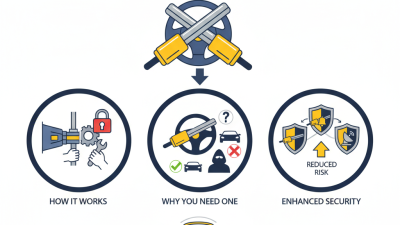
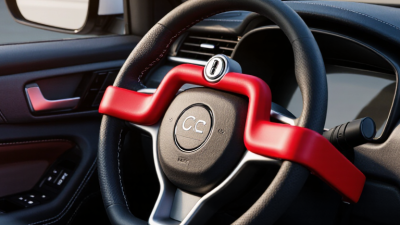
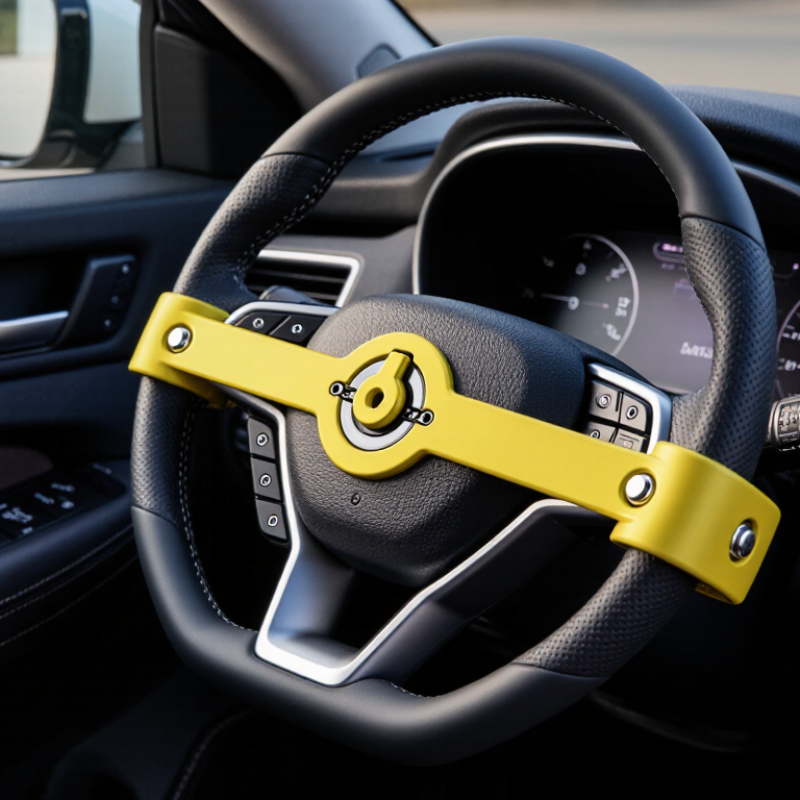
A steering wheel lock bar is a visible, physical obstacle fitted across the steering wheel. Once locked, its rigid arm limits how far the wheel can turn. Some designs extend toward the dashboard or windshield, while others clamp across the wheel rim. The exact blocking point depends on the design and vehicle.

This device does not make a car impossible to steal. It can slow an attempt and make the vehicle less convenient to target. Correct fit matters: a loose bar may shift, while a poorly positioned one may press against interior trim. Check that it grips the wheel firmly, avoids the airbag cover, and can be removed easily before driving. A small detail, but easy to overlook. I would test the fit in daylight, too.

Tips: Choose a bar suited to your steering wheel’s diameter. Lock it snugly without forcing the mechanism. Keep the key accessible, and remove the bar before starting the car. Parking in a well-lit area adds another sensible precaution. No lock replaces awareness.
Checking Vehicle Compatibility and Steering Wheel Fit

2026 How to Choose a Steering Wheel Lock Bar?

Checking Vehicle Compatibility and Steering Wheel Fit

Before choosing a steering wheel lock bar, check your vehicle’s steering wheel dimensions and shape. Measure across the wheel and note the rim’s thickness. A thick cover can change the fit. So can a flat-bottomed wheel or unusual spoke layout. Compare these details with the lock’s stated adjustment range, rather than relying on a general claim that it fits most cars.

Check where the bar’s hooks and contact points sit. They should grip the rim securely without pressing buttons, paddle shifters, or the center airbag cover. Leave enough room to install and remove the bar without forcing it against nearby trim. A small gap can be useful; an awkward angle is a warning. Fit varies more than product photos suggest.

Test the lock while the vehicle is parked. Turn the steering wheel slightly, then confirm the bar stays seated and does not scrape the dashboard or block your view. If you use a steering wheel cover, test with it installed. It is easy to overlook that detail. A secure fit can improve convenience, but no lock guarantees that a vehicle cannot be moved or entered.

Evaluating Materials, Lock Design, and Theft Resistance

A steering wheel lock bar should feel rigid, with a steel body that resists bending and a finish that protects against everyday scratches. Check the joints and contact points; rough edges can mark a leather steering wheel. A heavier bar may feel reassuring, but weight alone says little about its strength. Fit matters. Measure the wheel and check how the bar engages before buying.

Lock design affects both convenience and resistance. Look for a mechanism that closes firmly and does not wobble when fitted. A covered keyway may help keep dust out, while a clear locking indicator makes it easier to confirm the bar is secured. Test the key smoothly, if possible. A lock bar can delay access and make a vehicle less appealing to opportunistic thieves, but no single device guarantees protection. I would not judge one by its bright color alone; visibility helps, yet construction and fit matter more.

Tips: Store the key separately from the vehicle, and practise fitting the bar at home. Check for movement after locking. Small gaps are easy to miss. Combine the bar with sensible parking and other practical security measures.

2026 How to Choose a Steering Wheel Lock Bar?

Compare the typical densities of common engineering materials used in security products. Density affects weight and portability, but it is not a measure of theft resistance.

What to consider: Steel is much denser than aluminum, so a steel bar of similar size will generally weigh more. Actual security depends on the complete design—including material grade and heat treatment, bar thickness, lock mechanism, and fit on the steering wheel—not density alone. Values shown are approximate; density varies by alloy.

Comparing Installation, Visibility, and Ease of Use

2026 How to Choose a Steering Wheel Lock Bar?

Installation, visibility, and daily handling matter more than a complicated feature list. A bar should fit the steering wheel securely without blocking the airbag cover or damaging the rim. Check its adjustment range before buying. Fit matters most. A loose lock can wobble, while a poorly placed one may be awkward to remove. NICB’s 2023 vehicle-theft data recorded 1,020,729 stolen vehicles in the United States. That figure shows why a visible deterrent can be useful, but it does not prove that any lock prevents theft.

Visibility is practical, not a guarantee. A bright bar seen through the window may signal that extra effort is needed. Still, color alone says little about strength. For installation, try the lock while parked and confirm its hooks sit firmly on the wheel. Then check that it can be fitted and removed without straining your wrist. Small hassles add up. If you stop using it because setup feels fiddly, the design is not working for your routine.

Tips: Keep the key somewhere easy to reach, but not inside the vehicle. Test the bar on your actual steering wheel, including with any thick cover fitted. I would also check whether it rattles over bumps; that detail is easy to overlook, and I’m not sure every buyer will consider it before purchase. Use the lock as one layer alongside sensible parking and vehicle-security habits.

2026 How to Choose a Steering Wheel Lock Bar? - Comparing Installation, Visibility, and Ease of Use

Lock Style Typical Installation Visibility from Outside Ease of Daily Use Fit and Compatibility Best Suited For
Telescoping crossbar across the steering wheel Extend or adjust the bar, position its hooks on the wheel rim, then lock it in place. Usually takes under a minute after familiarization. High. The bar is generally visible through the windshield and side windows. Simple and quick, though the bar must be adjusted and stored after each use. Check the stated steering-wheel diameter range and ensure the hooks sit securely on the rim. Drivers who want a straightforward, clearly visible deterrent with a compact storage option.
Steering-wheel claw or multi-point bar Place the gripping sections around the wheel and engage the locking mechanism. Correct positioning is important for a secure fit. High. Its larger shape is typically easy to spot from outside the vehicle. Moderate. It may take more positioning than a basic crossbar and can be bulkier to handle. Check wheel size, spoke layout, and clearance around the dashboard and steering column. Drivers who prioritize a prominent visible device and are comfortable with a slightly bulkier fit.
Steering-wheel-to-pedal bar Attach one end to the steering wheel and the other to a compatible pedal, then adjust and lock the bar. Moderate to high. The steering-wheel section may be visible, but the pedal connection is usually less noticeable from outside. More involved. The driver must reach the pedal area and confirm that both ends are securely attached. Confirm that the bar reaches a suitable pedal and that the pedal shape and vehicle layout allow a stable connection. Drivers seeking a device that connects the steering wheel to another control point inside the vehicle.
Rigid, fixed-length steering-wheel bar Position the bar across the wheel and lock its ends onto the rim. It generally requires little adjustment. High when the bar is placed across the wheel in a prominent position. Easy to operate, but fixed length can make storage and vehicle-to-vehicle transfer less convenient. Measure the steering wheel and check the manufacturer’s fit guidance before purchase. Drivers who prefer a simple mechanism and plan to use the lock with one vehicle.

Installation descriptions are general comparisons; actual fit and setup time vary by lock design and vehicle. A steering-wheel lock is a theft deterrent, not a guarantee against theft. Always follow the product instructions and avoid obstructing the driver’s controls or view.

Matching Lock Features to Your Security Needs

A steering wheel lock bar should match the way you use your car, not just look substantial in a photo.

Start with fit: measure the steering wheel’s usable span and check the bar’s adjustment range. Fit comes first. A loose bar may shift, while one that is too short may not secure properly.

Check the reach. Some designs cover the wheel and sit near the dashboard; others extend toward a pedal. Choose a layout that fits your vehicle without pressing against delicate trim or blocking your view.

Think about the risks and routines that matter to you. A bright, visible bar can make tampering less discreet, while hardened steel and a resistant locking mechanism may better suit longer parking periods. No bar makes a vehicle impossible to steal, though. That matters.

Look for a cylinder that feels smooth and solid, and consider whether you can store the key separately from the car. If you park outdoors, check how the coating handles damp conditions; scratches can expose metal over time.

For daily use, weight and quick installation count too. A cumbersome lock may end up unused, which is an awkward but real trade-off. Test the fit gently, follow the vehicle manual, and reassess if the bar contacts the airbag cover or steering controls.