Why Choose The Club Steering Lock for Vehicle Security?
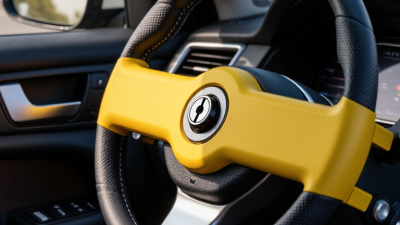
Vehicle security begins with a simple question: how quickly can a thief overcome the protection? The Club Steering Lock adds a highly visible physical barrier to the steering wheel. Its bright metal body can be seen through the windshield. That matters in a dim parking garage, outside a hotel, or on a quiet residential street.
“Visible deterrence still has value because criminals often seek easier targets,” says Marcus Reed, an independent automotive security consultant. His observation reflects a practical truth. No steering lock is unbeatable. Still, a device that blocks normal steering movement can discourage opportunistic theft and complement the vehicle’s factory immobilizer.
The Club Steering Lock is designed for daily use. A driver can attach it after parking, check the locking mechanism, and store it in the cabin when driving. Its presence also creates a useful routine. Lock the doors. Check the windows. Fit the device.
Small habits matter.
The product is not a substitute for sound parking choices or professional security advice. It cannot prevent every attack, and relying on one layer would be careless. That limitation deserves attention. Some vehicles have unusual steering-wheel shapes, so buyers should confirm compatibility before purchase.
Even so, The Club Steering Lock offers a clear psychological and physical deterrent. It communicates resistance immediately. For drivers wanting an affordable extra layer, that visible message can make a meaningful difference.
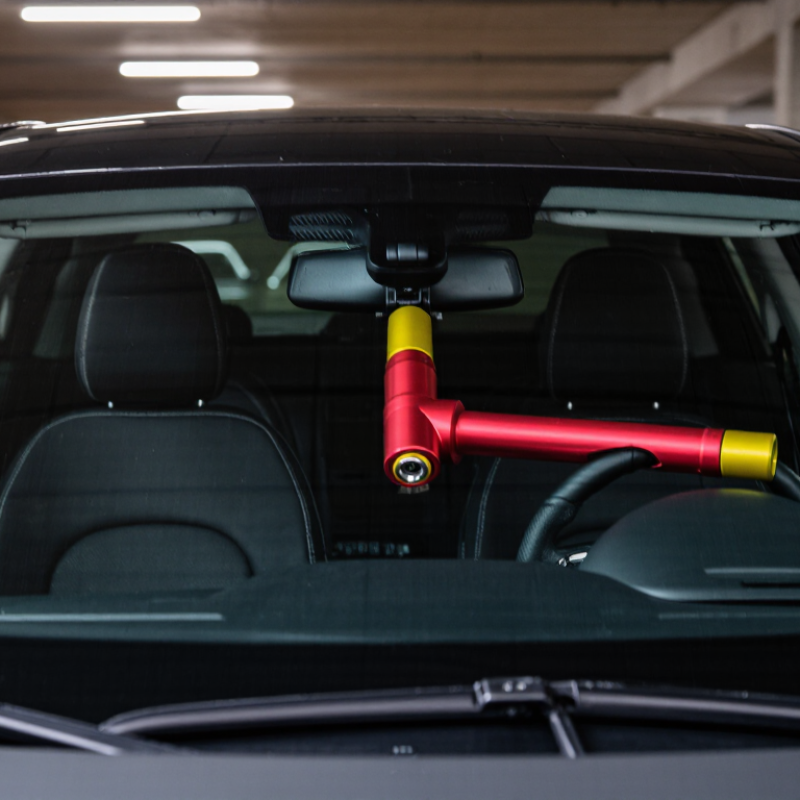
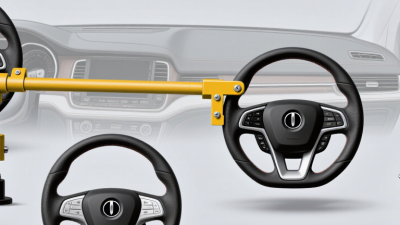
A club steering lock is a visible mechanical device that attaches across a vehicle’s steering wheel. It limits the wheel’s movement, making normal steering difficult or impossible. Most models use a hardened steel bar, locking hooks, and a key-operated cylinder. When fitted correctly, the bar stretches across the wheel and blocks its rotation.
Using one is straightforward. Park securely, straighten the steering wheel, and position the lock through the wheel’s rim. Adjust the length until both ends grip firmly. The key then locks the mechanism in place. A bright, noticeable device can also discourage tampering before it begins. It adds a physical barrier rather than depending only on electronic systems. Keep it away from the airbag cover and avoid forcing the lock against delicate trim.
In daily use, I check the fit before leaving the vehicle. A loose attachment may provide less resistance and can rattle while driving if forgotten. It is not an unbreakable solution. Determined thieves may use tools, and no single device protects every vehicle equally. That limitation matters. A steering lock works best with careful parking, locked doors, and a maintained vehicle alarm. Some people find installation inconvenient, especially in a hurry. That is a fair criticism. Still, its simple design gives drivers a clear, hands-on security measure that can be inspected in seconds.

A Club steering lock is a visible physical security device that attaches to the steering wheel and limits its rotation. By creating an additional mechanical barrier, it can discourage opportunistic theft and make unauthorized vehicle use more difficult.
The chart shows estimated U.S. motor vehicle thefts reported by the FBI. A steering-wheel lock should be used as part of a layered security approach, together with the vehicle’s factory immobilizer, secure parking, and good key-management practices.
Source: FBI Crime Data Explorer, Motor Vehicle Theft estimates, 2019–2023.
Why Choose a Steering Lock for Vehicle Security?
A steering lock deters vehicle theft by adding a visible, physical obstacle. A thief sees the hardened bar before entering the car. That changes the risk calculation immediately. Removing it also takes time, creates noise, and demands extra tools. These delays matter in public parking areas, where attention is limited. The National Insurance Crime Bureau recorded 1,020,729 vehicle thefts in the United States during 2023. Its Hot Wheels report also found thefts were about 29% higher than in 2019. Simple barriers still have practical value.
A steering lock works best as part of layered security. Park in a bright location. Lock the doors. Keep keys away from exterior walls. Add an alarm or tracking device when appropriate. The Bureau of Justice Statistics has consistently identified vehicle theft as a major property-crime category, although reporting methods vary by year. This supports a cautious approach: no single device offers complete protection.
There is an important limitation. Public industry reports rarely measure the exact theft reduction caused by steering locks alone. That evidence gap should not be ignored. My practical assessment is less dramatic but more reliable: a clearly visible lock can discourage opportunistic theft and slow a determined attempt. It cannot replace sound parking habits or modern vehicle security. Fit matters. A loose device may look reassuring but provide little resistance. Regularly inspect the locking mechanism, steering wheel contact points, and storage condition. Small details can decide whether the deterrent feels real.
A steering-wheel lock adds a visible, physical barrier that electronic security may not provide. NICB’s 2023 vehicle-theft report recorded 1,020,729 stolen vehicles in the United States. That number makes simple deterrence worth serious attention.
What security features set a steering-wheel lock apart? Look for hardened steel construction, a tamper-resistant locking cylinder, and hooks that grip opposite sides of the wheel. Broad wheel coverage matters. It reduces the chance of slipping the device over the rim. Bright colors also help. A thief can see the obstacle before entering the vehicle. The strongest designs remain mechanical, so they do not depend on batteries, software, or wireless signals. That independence is useful in parking lots, driveways, and older vehicles with limited factory security.
Fit is equally important. A loose lock feels reassuring but may offer less resistance. Test it with the wheel turned and check whether the bar blocks normal steering movement. The Insurance Information Institute, citing FBI data, reported more than one million vehicle thefts nationally in 2022. Still, no steering lock is perfect. Determined criminals may use tools or target another vehicle. That limitation deserves honesty. Used with locked doors, protected keys, and sensible parking choices, a visible mechanical barrier can increase the time, noise, and effort required for unauthorized access.
A steering-wheel lock adds a visible physical barrier to vehicle security. It works best when it fits tightly and is used consistently. Before installation, read the instructions and confirm compatibility with your steering wheel. Move the seat back enough to work comfortably. Keep your fingers clear of the locking mechanism. Inspect the wheel for loose covers, cracks, or unusual movement. Do not force the device onto a damaged wheel. That can reduce its grip.
Place the lock across the steering wheel according to the specified position. Extend or adjust it until both contact points sit firmly against the rim. The bar should resist movement without pressing against dashboard controls. Set the locking mechanism only after the fit feels stable. Pull the lock gently to test it. It should not slide freely or rotate around the wheel. Keep spare keys in a secure, separate location. A bright, visible lock can also remind you to remove it before driving.
Use the lock whenever the vehicle is parked, including at home. Switch off the engine before fitting it. Remove the lock before starting the vehicle, then store it where it cannot become a loose projectile. Wipe dirt from the contact areas occasionally. Check for wear, bent parts, or a stiff cylinder. Replace it if the locking action becomes unreliable. Hurried fitting creates false confidence. A second check takes seconds, but it is easy to skip when running late.
A club-style steering lock can add a visible barrier, but buyers should examine more than its appearance. The best choice begins with vehicle compatibility. Check the steering wheel diameter, spoke design, and available locking points. A poor fit may rattle, slip, or block essential controls. That is inconvenient. It can also create a safety concern.
Construction matters during daily use. Look for hardened steel, a resistant locking cylinder, and a handle that feels solid rather than hollow. A bright finish may discourage casual tampering because it signals protection from outside the vehicle. However, visibility alone proves little. Independent test information, clear warranty terms, and a manufacturer’s contact details offer stronger signs of reliability. Read recent owner reviews carefully. Complaints about broken keys or difficult removal deserve attention.
Convenience often determines whether a driver uses the lock every night. Measure its folded length before buying, especially if the cabin has limited storage. The lock should install without forcing the wheel or covering the instrument panel. Never use a device that interferes with steering, pedals, airbags, or normal driving controls. A heavy model may feel reassuring, yet it can become annoying after several weeks. I would rather choose a slightly lighter lock that fits firmly and gets used consistently. No physical lock guarantees complete protection, and relying on one device alone may be a flawed assumption. Pairing it with sensible parking habits, maintained door locks, and vehicle tracking can provide a more balanced security routine.
| Buying Factor | What to Check | Why It Matters | Practical Buyer Guidance |
|---|---|---|---|
| Visible deterrence | Bright color, large locking bar, and clear visibility through the windshield. | A visible physical lock can discourage opportunistic theft before entry is attempted. | Choose a design that remains noticeable when the vehicle is parked, while avoiding unnecessary obstruction of the driver’s view when installed. |
| Steering-wheel compatibility | Adjustable length, hook spacing, steering-wheel diameter, and spoke arrangement. | A lock must engage firmly with the wheel and prevent sufficient rotation to be useful. | Measure the steering wheel and check the vehicle-specific fit guide before purchase. Avoid relying only on a universal-fit claim. |
| Locking mechanism | Cylinder quality, resistance to picking, key retention, and smooth locking action. | The locking cylinder is a critical point of attack and affects daily reliability. | Prefer a mechanism that locks without excessive force and includes a protective cover against dust and moisture. |
| Construction materials | Hardened steel components, reinforced locking points, and resistant surface coatings. | Stronger materials can increase resistance to cutting, bending, and forced manipulation. | Look for clear material specifications and solid joints. Treat unsupported claims such as “unbreakable” with caution. |
| Installation time | Time required to fit and remove the lock, including key operation. | A lock that is inconvenient may be used inconsistently, reducing its security value. | Select a model that can be installed and removed in a short, repeatable process without tools. |
| Vehicle interior protection | Rubber or polymer contact points, smooth edges, and anti-scratch padding. | Metal-to-metal contact can damage the steering wheel, trim, or dashboard. | Check that protective coverings are securely attached and do not interfere with steering-wheel controls. |
| Storage and portability | Collapsed length, weight, storage pouch, and available space inside the vehicle. | A compact lock is easier to carry and more likely to be used consistently. | Confirm that it fits securely in the glove compartment, center console, or another safe storage area. |
| Key management | Number of keys supplied, replacement-key process, and key durability. | Lost or damaged keys can make the lock difficult to operate and may require professional assistance. | Keep a spare key in a secure location away from the vehicle and confirm whether replacement keys can be obtained. |
| Weather resistance | Corrosion-resistant metal, sealed components, and performance in heat or cold. | Outdoor parking exposes the lock to humidity, rain, dust, and temperature changes. | Choose corrosion-resistant construction and lubricate the cylinder only with a product recommended for locks. |
| Compatibility with airbags and controls | Clearance around the airbag cover, horn, paddles, switches, and instrument display. | Incorrect placement may damage controls or create a safety hazard. | Follow the instructions carefully and never drive with the lock installed. Do not place it where it could interfere with an airbag. |
| Security limitations | Whether the product is described as a deterrent rather than a complete anti-theft system. | No mechanical steering lock guarantees protection against every theft method. | Use it as one layer of security alongside the vehicle’s factory immobilizer, alarm, secure parking, and other appropriate measures. |
| Value for money | Balance of construction quality, fit, usability, warranty, and replacement-key support. | The lowest purchase price does not always provide the best long-term value. | Compare verified specifications and after-sales support rather than choosing solely by price or appearance. |
Note: Performance depends on the vehicle, installation, product condition, and local theft risks. A steering-wheel lock is a visible deterrent and should be used together with other vehicle-security measures.