How to Use The Club Steering Lock in 2026?
The Club Steering Lock is a visible anti-theft device, but it works best when fitted correctly and used consistently. James E. Winner Jr., inventor associated with The Club, is a relevant voice on the product’s history. To avoid inventing a quotation, this guide states the practical principle as a paraphrase, not his verbatim words: “A visible lock can deter; it cannot guarantee security.”
That distinction matters. A steering lock is one layer, not a substitute for careful parking or other sensible precautions. In this guide, you’ll learn how to position the bar across the steering wheel, adjust it until it sits firmly, and lock it without forcing the mechanism. Small details count. Check that the device cannot slide off easily, and keep the key somewhere accessible but not inside the vehicle. Before driving, remove the lock completely and store it securely. Never drive with it attached.
Fit varies by vehicle and Club model. Read the manufacturer’s instructions, and stop if the lock does not engage smoothly. A tight fit is useful; damage to the wheel or lock is not. This is easy to overlook. The following sections explain setup, removal, common mistakes, and practical checks for using The Club Steering Lock in 2026. A careful routine takes only moments, yet it can make the device more useful as a visible deterrent.
Identify the Club Steering Lock Model and Confirm Vehicle Fit
Before using a steering lock, identify its exact model. Check the product label, stamped number, or instruction sheet rather than relying on appearance alone. Different versions may have different bar lengths, locking positions, or key mechanisms. Small details matter. If the label is worn, measure the lock and contact the seller or manufacturer with clear photos before fitting it.
Next, confirm that the model suits your vehicle. Use the vehicle compatibility list when available, then compare your steering wheel’s size, rim thickness, and spoke layout with the lock’s instructions. Check that the bar can reach its intended contact points without pressing against the dashboard, instrument panel, or airbag cover. A close fit is not always a correct fit. I might be tempted to judge by a quick test, but that can miss a poor angle or a loose connection.
Fit the lock while the vehicle is parked and the steering wheel is stationary. It should engage securely without bending parts or blocking essential controls. Never force it into place. If it shifts, touches trim, or cannot lock as described, stop and recheck the model information. Compatibility can vary between trims of the same vehicle, so verify the specific year and configuration. A steering lock is a deterrent, not a guarantee; keep its key accessible and follow the supplied care instructions.
Prepare the Vehicle and Unlock the Steering Lock
Park on firm, level ground, shift into Park or first gear, and apply the parking brake. Switch off the ignition and remove the key or confirm the vehicle is fully powered down. Center the steering wheel if practical. A wheel held hard against its stop can put pressure on a steering lock. The National Insurance Crime Bureau’s 2023 Vehicle Theft Report recorded 1,020,729 reported vehicle thefts in the United States. A visible lock is only one layer of protection, so handle it carefully and keep its key accessible.
To remove the lock, insert its key fully and turn it gently while supporting the bar. Follow the device’s instructions; locking mechanisms can differ. If the key resists, do not force it. Ease pressure by nudging the steering wheel slightly, then try again. No forcing. This step can feel fussy, and it is easy to rush. I would rather take a few extra seconds than scratch the wheel or damage the lock.
Once released, retract the bar and lift the device clear without dragging it across the steering-wheel trim. Store it securely, away from the pedals and passenger area. Before driving, check that the steering wheel moves normally and that no part of the lock remains attached. If the key still will not turn, stop and contact a qualified automotive locksmith or the device’s support service. Don’t improvise with tools.
How to Use a Steering Wheel Lock in 2026: Prepare the Vehicle and Unlock the Lock
Illustrative time estimates for the basic preparation and unlocking steps. Actual time varies by lock design and vehicle.
Park safely, switch off the engine, and locate the lock key. Insert the key, turn it to release the lock, then remove the lock from the steering wheel. Follow the instructions supplied with your specific lock.
Position and Secure the Lock Across the Steering Wheel
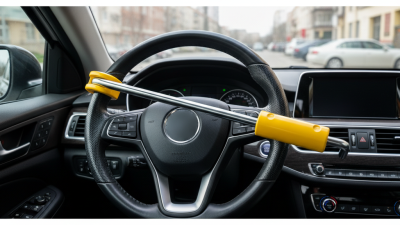
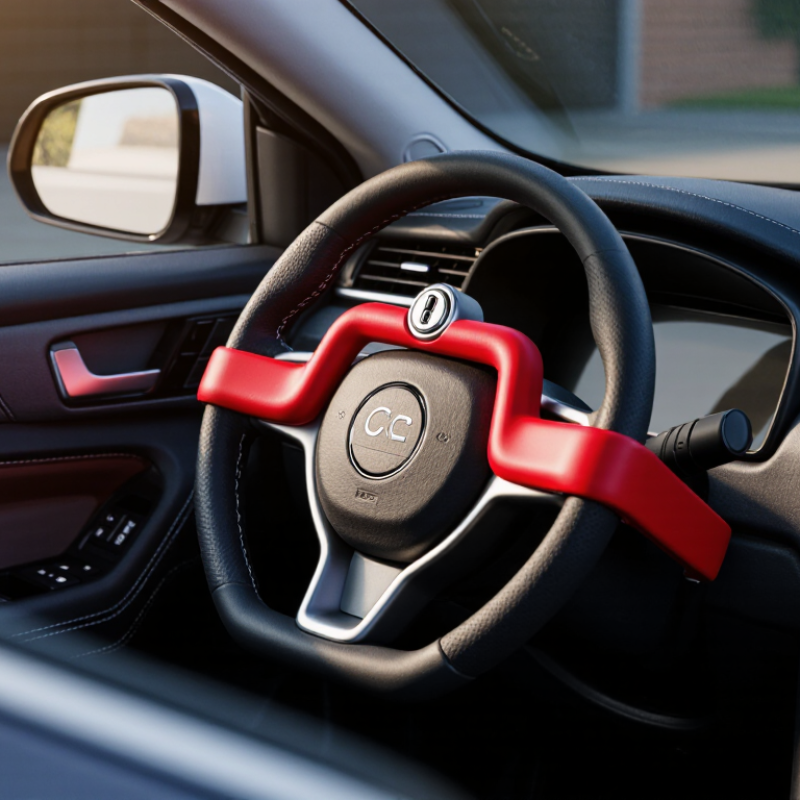
Park the vehicle on level ground, switch off the engine, and remove the key before fitting a steering lock. Straighten the wheel if practical; this gives the lock a stable position. Hold the bar across the steering wheel, usually from one side of the rim toward the opposite side. Fit its hooked end around the inner edge of the wheel, then position the other end securely against the opposite rim. The exact arrangement varies by model, so follow the product’s instructions if they differ.
Extend the bar until it feels snug, then engage the locking mechanism. It should sit firmly without crushing the rim or pressing against delicate trim. No forcing. Give the lock a gentle tug to check that it stays in place, and make sure it does not obstruct your view or controls. A loose fit can slip; an overly tight one may mark the wheel. I’d check the contact points twice, especially if the wheel has a soft covering. If the lock shifts, catches, or will not close smoothly, remove it and reposition it rather than forcing the mechanism.
Check the Installation and Remove the Lock Safely
Before fitting a steering-wheel lock, park on level ground, switch off the engine, and remove the key. Read the lock’s instructions; models differ. Set the bar across the wheel so its hooks sit securely, without pressing the horn or covering the airbag area. Pull gently to check that it cannot slide free. A loose fit is not reassuring. Adjust it before leaving the vehicle, and keep the key somewhere accessible rather than buried in a bag. The National Insurance Crime Bureau reported 1,020,729 vehicle thefts in the United States in 2023, about 1% more than in 2022. That figure is a useful reminder, not a prediction of risk for any one car.
To remove the lock, return to the parked vehicle and insert its key fully. Turn the key as directed, then lift the lock away without wrenching the wheel or striking the dashboard. If the mechanism feels tight, gently ease pressure by moving the steering wheel a small amount; do not force the key. Keep fingers clear of pinch points as the bar releases. Check the wheel, trim, and lock for damage before storing it. A rushed removal can leave scratches, and I would not assume every tight lock is merely stuck. If it will not release with normal key operation, pause and consult the manufacturer’s instructions or a qualified automotive professional.
How to Use The Club Steering Lock in 2026? - Check the Installation and Remove the Lock Safely
| Stage |
What to do |
Installation or removal check |
Safety note |
| 1. Park and prepare |
Park on a level surface, switch off the engine, engage the parking brake, and remove the key or switch off the vehicle. |
The vehicle is stationary and secured before you handle the lock. |
Do not install or remove a steering lock while the vehicle is moving or running. |
| 2. Check the lock and fit |
Inspect the lock for visible damage and confirm that its design and adjustment are suitable for your vehicle. Follow the instructions supplied for that model. |
The lock can be positioned without forcing it or placing pressure on the steering-wheel controls. |
Steering-lock designs differ; do not assume that a wheel-to-pedal model installs like a bar fitted across the steering wheel. |
| 3. Position the lock |
Place the lock on the steering wheel or between the steering wheel and pedal, as directed by the model-specific instructions. Adjust it to engage the intended contact points. |
The contact points are secure, and the lock does not obstruct or damage the airbag cover, wheel trim, controls, or pedal components. |
Keep the device clear of airbag deployment areas and avoid using excessive force during adjustment. |
| 4. Lock and verify |
Engage the locking mechanism using the supplied key or method specified in the instructions. Remove the key after locking. |
The lock is engaged and does not come loose with a gentle hand check. |
A steering lock is a visible deterrent, not a guarantee against theft or a substitute for other vehicle-security measures. |
| 5. Unlock before driving |
Use the correct key or release method to unlock the device. Retract or adjust it only as described for that model, then remove it from the vehicle controls. |
The lock is fully detached and the steering wheel and pedals move freely. |
Never drive with the lock fitted or partly attached. |
| 6. Store and maintain |
Store the removed lock where it cannot roll under the pedals. Keep its key in a secure, accessible place and check the device periodically for wear or damage. |
The cabin is clear of loose objects that could interfere with the pedals or driving controls. |
If the lock will not release normally, do not drive or force the mechanism; seek help from a qualified automotive professional. |
Maintain the Lock and Understand Its Security Limitations
Check the lock before each drive and after long storage. Look for cracks, bent parts, loose joints, or a key that catches. Wipe grit from the locking surfaces with a dry cloth; moisture and debris can affect smooth operation. Follow the care instructions, and avoid oil unless they specifically permit it. Test it gently. Fit the device as directed, then confirm it engages and releases without unusual force. Keep spare keys in a separate, secure place, away from the vehicle key.
A steering-wheel lock is a visible deterrent, not a complete security system. It may slow or discourage opportunistic access, but it cannot prevent every theft or protect windows, contents, or other entry points. Use it alongside sensible habits, such as locking doors and keeping valuables out of sight. Never assume a bulky device makes a vehicle safe. That is easy to forget. Check compatibility with your steering wheel, and stop using the lock if it slips, jams, or causes damage. Security depends on several layers; the lock may offer reassurance, but it is not a guarantee.