• Facebook
  • Linkedin
  • Skype
  • YouTube
  • Twitter
Leave Your Message

How to Choose Tire Locks for Cars in 2026?

Choosing Tire Locks For Cars in 2026 requires more than selecting the most expensive set. Modern wheels vary in shape, finish, thread size, and access space. A lock that looks strong may still fit poorly. That mistake can damage threads or complicate routine tire service.

John Ibbotson, chief mechanic at Consumer Reports, has often emphasized practical vehicle security: “The best security device is one that fits correctly and is used consistently.” His point remains useful. Tire locks should match the vehicle’s stud pattern, wheel design, and manufacturer requirements. Check the thread pitch carefully. Measure twice.

Daily conditions matter. A driver in a snowy region may need corrosion-resistant steel and a protective cap. Someone using alloy wheels should inspect seating surfaces for scratches. Keep the key in a secure, reachable place. Not in the glove box. Losing it can turn a simple puncture into an expensive delay.

Reliable brands usually provide key-code replacement services, installation guidance, and clear warranty terms. Independent testing, retailer reviews, and advice from a qualified tire technician can strengthen the decision. However, no product is perfect. Some locks resist casual removal, but determined thieves may use specialized tools. That limitation deserves honesty.

This guide examines lock shapes, materials, key patterns, installation details, maintenance, and compatibility. It also considers cost over time, including replacement keys and service access. The right choice protects your wheels without creating new problems. Sometimes, the simplest option works best.
How to Choose Tire Locks for Cars in 2026?

What Tire Locks Are and How They Protect Parked Cars

How to Choose Tire Locks for Cars in 2026?

A tire lock is a mechanical clamp fitted around a wheel or through its openings. It blocks rotation and makes a parked car harder to move. Some models also cover lug nuts, adding another barrier against wheel removal. According to the National Insurance Crime Bureau’s 2023 Hot Wheels report, 1,020,729 vehicles were reported stolen in the United States. That figure makes visible, physical deterrence worth considering. No lock is perfect.

Choose a lock made from hardened steel, with weather-resistant protection and a bright warning color. Check its opening size against your tire, wheel, and lug-nut layout. A poor fit can scratch alloy wheels or touch brake components. Test it at home before relying on it overnight. Keep the key separate from the vehicle. It sounds obvious.

Parking position matters too. A wheel lock works better beside lighting, cameras, or a busy entrance. It cannot stop electronic theft, towing, or damage to an unattended car. NHTSA estimates that tire-related problems contribute to about 11,000 crashes annually, so inspect pressure and tread before parking trips. I once focused too much on theft resistance and ignored storage space. That was a practical mistake. A bulky lock left in a hot trunk may become annoying, and annoying equipment is often abandoned.
Which Tire Lock Types Suit Different Security Needs

How to Choose Tire Locks for Cars in 2026?

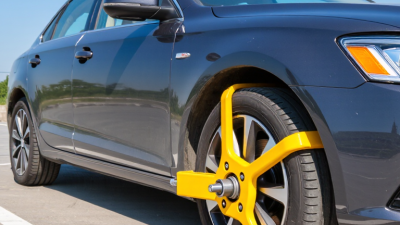
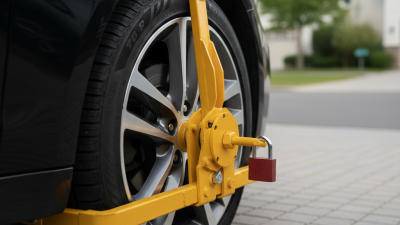
The right tire lock depends on your security needs, parking habits, and vehicle design. A visible wheel clamp creates strong deterrence in open driveways, apartment lots, and event parking areas. Choose one with hardened steel, a protected locking cylinder, and bright coloring. It should fit the tire width without touching brake components. A poor fit can damage the wheel or loosen during use.

For long-term outdoor parking, consider a heavy-duty tire boot with weather-resistant coating. It offers stronger physical resistance but takes more storage space. Compact lug nut locks suit drivers who want discreet protection against wheel theft. They work best when installed correctly and checked during tire servicing.

Fleet operators may prefer keyed-alike systems, because one controlled key set reduces confusion. Still, no tire lock replaces sensible parking choices, lighting, or vehicle alarms. More weight does not always mean better security.

Tips: Measure your tire before buying. Check the lock after rain, snow, and dust exposure. Keep spare keys in separate secure locations. Never drive with a tire lock attached. A lock that feels inconvenient may be ignored, so test its daily handling honestly. Reconsider your choice after changing wheels, tires, or parking locations.

How to Match a Tire Lock With Your Car and Wheels

How to Choose Tire Locks for Cars in 2026?

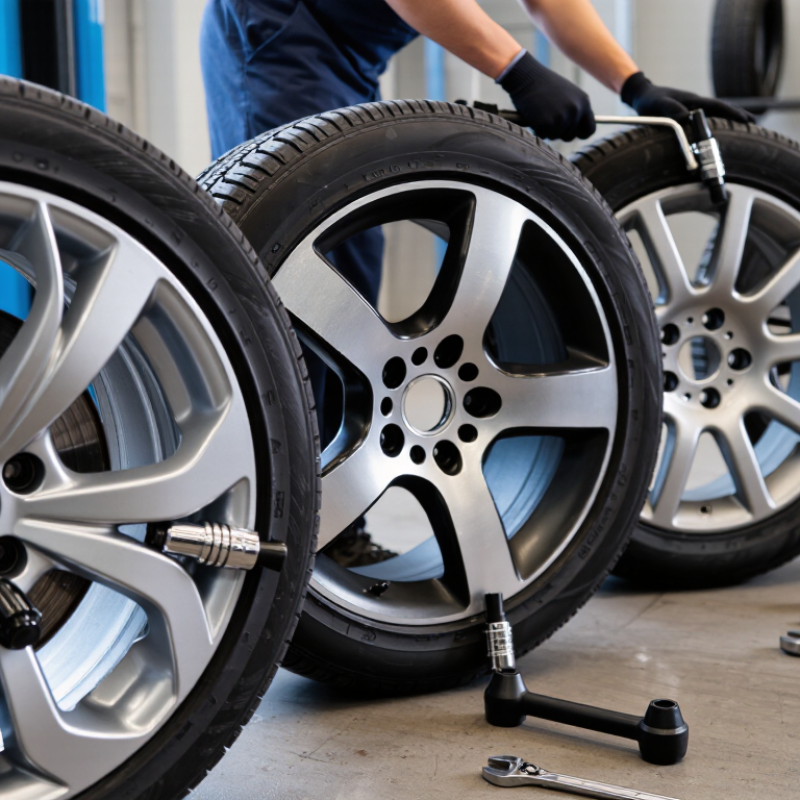
Matching a tire lock begins with the wheel, not the advertisement. Check your vehicle manual for lug-nut thread size, seat shape, and tightening torque. Conical seats suit many steel and alloy wheels, while ball seats require a different contact profile. Using the wrong shape can damage the wheel or loosen during driving. It is an easy mistake.

Measure the available space around each lug hole. Deep aftermarket wheels may need longer locks, while recessed holes often require a narrow key. Confirm that the key clears the wheel face and brake components. Also check whether the spare wheel accepts the same lock. I once focused only on thread size. That shortcut was wrong.

Security matters, but fit remains the priority. The National Insurance Crime Bureau’s Hot Wheels report recorded 1,020,729 vehicle thefts in the United States during 2023. A wheel lock adds resistance, not complete protection. Select a pattern that is difficult to grip with common tools, then store the key securely outside the glove box. Keep the original lug nuts available.

Safety cannot be separated from selection. NHTSA’s Traffic Safety Facts reported 738 fatalities in tire-related crashes during 2017. After installation, tighten the locks to the vehicle maker’s specification and recheck them after driving. Inspect for uneven seating, damaged threads, or fresh scratches. Small details matter.Winvalid

Which Materials and Features Matter Most in 2026

Choosing tire locks in 2026 requires more than checking weight or price. Material quality affects resistance, weather life, and daily handling. NHTSA’s Traffic Safety Facts reported 622 fatalities in tire-related crashes in 2022, showing why secure wheel equipment must not interfere with tire movement or visibility.

Hardened steel remains the practical core. It resists cutting better than ordinary mild steel. Look for a thick shackle, reinforced joints, and a corrosion-resistant zinc or nickel coating. Salt, rain, and grit can attack weak finishes quickly. A sealed lock cylinder matters too. It should resist dust while remaining usable with cold or wet fingers. Small details matter.

Fit matters more than extreme weight.

NICB recorded 1,020,729 vehicle thefts in the United States during 2023. A bright, properly fitted tire lock can add a visible deterrent, but it cannot replace sensible parking and vehicle security. Choose an adjustable design that sits firmly against the wheel without touching brake lines, valve stems, or painted surfaces. Reflective markings improve nighttime visibility. A lock that is difficult to install may stay in the trunk, which defeats its purpose. I used to assume heavier meant safer. That view needs revision. Poor balance, awkward storage, and exposed keyways can make a strong lock surprisingly impractical.

How to Choose Tire Locks for Cars in 2026? – Which Materials and Features Matter Most in 2026

A practical comparison of tire-lock materials, security features, usability, and weather resistance for passenger cars.

Evaluation Dimension Recommended Choice for 2026 Why It Matters What to Check Before Buying Practical Rating
Primary Body Material Hardened steel with a corrosion-resistant coating Hardened steel generally provides higher resistance to cutting, bending, and impact than ordinary mild steel or lightweight plastics. Look for stated steel construction, a thick locking arm, protected welds, and a coating suitable for outdoor use. Excellent
Locking Cylinder A shielded, pick-resistant cylinder with a covered keyway The cylinder is often the most exposed part of a mechanical tire lock. Shielding can reduce access for drilling, prying, and debris entry. Check for a protective shroud, anti-drill components, smooth key operation, and resistance to dirt and moisture. Excellent
Wheel Compatibility Adjustable designs with a wide fit range and non-contact positioning Cars differ in tire width, wheel diameter, spoke pattern, brake clearance, and wheel-cover design. A poor fit can reduce security or damage the wheel. Confirm the supported tire width, wheel diameter range, spoke clearance, and compatibility with alloy wheels and wheel covers. Essential
Contact Protection Rubber or polymer contact pads that do not touch the tire sidewall unnecessarily Protective padding helps prevent scratches on wheels and reduces the risk of abrasion or pressure damage to the tire. Choose oil-resistant, UV-resistant padding and ensure the lock does not press against the valve stem, brake components, or tire bead. Very Good
Weather Resistance Powder-coated or plated steel with drainage and a covered keyway Rain, road salt, humidity, and temperature changes can cause corrosion and make the lock difficult to operate. Look for sealed or covered openings, stainless or plated small hardware, drainage paths, and instructions for lubricant use. Very Good
Security Visibility A highly visible design in a bright color with a clear warning profile A visible lock can discourage opportunistic theft and reminds the owner to remove it before driving. Prefer reflective or high-contrast surfaces without sharp edges that could damage nearby bodywork. Good
Installation and Removal Tool-free, quick-fit operation with a positive locking indication A lock that is difficult to install correctly may be left unused or fitted incorrectly, reducing its protective value. Check whether it can be fitted while standing safely, whether the locking position is obvious, and whether removal is possible with gloves. Very Good
Weight and Portability A solid steel construction that remains manageable for regular use More steel can improve resistance to force, but excessive weight makes storage and daily handling inconvenient. Balance construction strength with carrying comfort; verify that the lock fits securely in the vehicle without becoming a loose projectile. Good
Key Management At least two keys, with a secure spare-key storage plan A lost key can make removal difficult or require destructive intervention. A spare key improves long-term usability. Confirm the number of keys, replacement-key availability, key durability, and whether the key can be inserted when the lock is dirty. Essential
Smart Features Optional motion, tamper, or reminder alerts used as a supplement Electronic alerts can notify the owner of movement or remind them that the lock is installed, but they do not replace a strong mechanical barrier. Check battery life, weather sealing, alert range, privacy settings, and whether the mechanical lock still works without power. Optional
Maintenance Requirements Periodic cleaning, inspection, and manufacturer-approved lock lubricant Dirt and corrosion can reduce smooth operation, weaken moving parts, and cause the cylinder to seize. Choose a design with accessible moving parts and follow the care instructions; avoid lubricants that attract dust unless specifically recommended. Essential
Best Overall Configuration Adjustable hardened-steel tire lock with a shielded cylinder, protective pads, corrosion-resistant coating, spare keys, and optional alerts This combination provides a strong mechanical barrier, broad vehicle compatibility, better protection against weather, and practical everyday operation. Prioritize correct fit and mechanical strength before adding electronic features or appearance-focused extras. Top Choice
Selection priority for 2026: Choose correct wheel compatibility first, followed by hardened-steel construction, cylinder protection, corrosion resistance, and reliable daily operation. Electronic monitoring should be treated as an additional feature rather than a substitute for mechanical security.

How to Install, Use, and Maintain a Tire Lock Safely

When choosing a tire lock for a car in 2026, match it to your tire size and vehicle weight. Choose a strong, visible lock with a weather-resistant cylinder. Visibility matters. A bright lock can remind you to remove it before driving. Check the fit carefully, because a loose clamp may shift, while an overly tight one may damage the wheel or tire.

Install the lock only on a parked vehicle in a safe, legal location. Engage the parking brake, switch off the engine, and read the supplied instructions. Place the lock over the tire, avoiding brake lines, valve stems, and painted wheel surfaces. Tighten it until secure, not until the mechanism strains. Pull the lock gently to confirm it is seated. Keep the key in a dry, accessible place, never inside the locked vehicle.

Inspect the lock before every use. Look for cracks, bent metal, rust, or a sticking cylinder. Remove dirt with a dry brush, then use only lubricant approved for the lock. Do not force a frozen mechanism. A replacement key may be wise. Never move the car while the lock is fitted, even a short distance.

I would also photograph the correct installation; memory becomes unreliable during a rushed morning. That small step may prevent an expensive mistake.