• Facebook
  • Linkedin
  • Skype
  • YouTube
  • Twitter
Leave Your Message

What Are Tire Locks for Cars and How Do They Work?

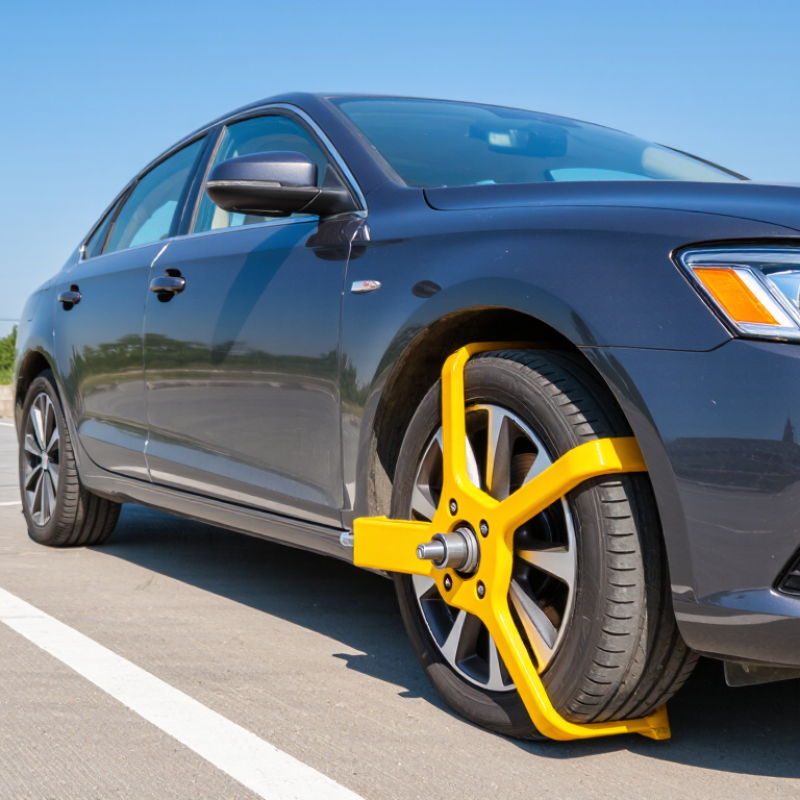
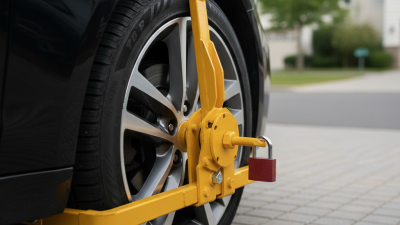
Tire Locks For Cars are visible security devices that restrict a vehicle’s wheel from rotating. They are also called wheel clamps or tire boots. A typical model grips the tire and covers part of the wheel, using a hardened body and a locking mechanism. When fitted correctly, it creates a clear physical barrier against ordinary driving. The vehicle may remain parked, but moving it becomes difficult and potentially damaging.

This guide explains how tire locks work, where they are useful, and what buyers should inspect before choosing one. Real-world details matter. A clamp should fit the tire width, sit firmly against the wheel, and avoid contact with brake components. Check the lock after installation. It should not wobble, scrape, or press against the valve stem. Small mistakes can reduce protection.

They are not foolproof. That matters.

Tire locks can discourage unauthorized use, protect trailers, and add security during long-term parking. However, they should support, not replace, sensible parking habits, insurance requirements, or other approved security measures. Product quality varies widely, and a cheap lock may have weak hinges, exposed fasteners, or a difficult keyway. Automotive security professionals generally recommend selecting a weather-resistant model with clear fitment information and strong customer support.

The discussion also needs balance. A tire lock may deter casual theft, but determined criminals can use specialized equipment or target the vehicle elsewhere. Correct installation, regular inspection, and realistic expectations make the device more dependable. This overview will clarify its structure, operation, benefits, limitations, and practical use.
What Are Tire Locks for Cars and How Do They Work?

What Are Tire Locks and What Purpose Do They Serve?

Tire locks are mechanical devices fitted around a vehicle’s wheel to prevent it from turning normally. Their main purpose is simple: immobilization. A properly fitted lock grips the tire or wheel and blocks rotation, making the vehicle difficult to move without removing the device. Its bright, visible structure also warns others that the car should not be moved.

They serve several practical purposes. Drivers may use them when a vehicle remains parked for an extended period, especially in a private driveway, storage area, or monitored parking space. Property managers can also use approved wheel locks to control access on private property. A tire lock does not replace responsible parking. It works best with secure lighting, clear permission, and regular vehicle checks. In practice, the correct size matters. A loose lock may fail, while an overly tight one can damage the wheel or tire.

Installation should follow the device instructions carefully. The lock must sit firmly without touching brake components, valve stems, or painted surfaces. Never drive while it is attached. This mistake can cause serious damage within seconds. Tire locks are useful, but they are not perfect. Determined interference, poor installation, or a damaged mechanism can reduce their effectiveness. Checking the lock after rain, freezing weather, or accidental impact is a sensible habit. Some users focus only on the lock and overlook the key or release tool. That small oversight can create an avoidable problem.
What Are Tire Locks and What Purpose Do They Serve?

Tire locks are physical devices fitted around or through a vehicle wheel to prevent it from rotating normally. A wheel clamp or parking boot typically immobilizes one wheel, while a wheel-to-wheel chain can secure two wheels. Their main purpose is to deter unauthorized movement, theft, or parking violations.

How Do Tire Locks Secure a Vehicle?

A tire lock secures a vehicle by preventing the wheel from turning freely. Most designs wrap around the tire and connect to a rigid metal arm. When locked, the arm rests against the ground or bodywork. Any attempt to drive causes the lock to press against the vehicle or pavement, stopping movement.

The mechanism is simple but effective. A hardened pin, internal cylinder, or reinforced joint holds the device closed. A thief cannot easily remove it without access to the key or approved release tool. Bright colors also create a visible warning before anyone enters the car. That visibility matters. It may discourage an attempt rather than merely resist one.

Proper fitting is essential. The lock should sit tightly against the tire, with no loose section that could be forced sideways. Check the tire size, tread clearance, and locking points before leaving the vehicle. A poorly fitted device can rattle, damage nearby surfaces, or fail to block rotation. It is not magic.

A tire lock works best as one layer of protection. Park in a well-lit area, keep the key secure, and inspect the lock for cracks or corrosion. Wheel locks that protect individual lug nuts serve a different purpose; they help prevent wheel removal but cannot stop the car from moving. I once underestimated how awkward installation could feel in rain and darkness. That small inconvenience is easy to ignore until secure placement becomes difficult.

What Types of Tire Locks Are Available?

What Are Tire Locks for Cars and How Do They Work?

Tire locks, often called wheel clamps, secure a vehicle by blocking wheel rotation. A hardened frame grips the tire or passes through wheel openings. A locking pin prevents removal without the correct key.

The National Insurance Crime Bureau recorded 1,020,729 vehicle thefts in the United States during 2023. That figure shows why visible, physical deterrents remain useful. They do not replace alarms, tracking, or careful parking.

What Types of Tire Locks Are Available?

External wheel clamps are the most recognizable type. They cover part of the tire and may extend across the wheel face. These models suit parked cars, trailers, and long-term storage. Compact clamps fit smaller wheels, while heavy-duty versions support larger tires. Check tire width carefully. A poor fit may leave gaps or damage painted wheels.

Chain and cable locks pass through the wheel and around a fixed point. They are flexible, but exposed cable remains vulnerable to cutting tools. Lug-nut locks replace selected wheel nuts with keyed versions. They mainly discourage wheel theft, not vehicle movement. Commercial parking boots use a broad metal shell and strong visibility. They are effective visually, but bulky.

A clamp should avoid brake lines, sensors, and alloy spokes. Never drive with one attached. “Unbreakable” claims deserve skepticism. Every portable lock has limits. The best choice depends on wheel design, weather exposure, storage time, and regular inspection.

How to Choose and Install the Right Tire Lock

Choosing a tire lock starts with the wheel, not the price. Measure the tire width, rim diameter, and clearance around the wheel arch. A lock should grip firmly without touching brake lines, suspension parts, or painted surfaces.

Visible steel construction can discourage tampering, but no device guarantees protection. The National Insurance Crime Bureau recorded 1,020,729 vehicle thefts in 2023. That figure supports layered security, not blind confidence in one clamp. Check the manufacturer’s fit chart carefully. A universal lock may fit loosely on some wheels. That is a common mistake.

Installation should take less than a few minutes. Park on level ground, engage the parking brake, and turn the wheel slightly if it improves access. Place the clamp across the tire and tighten it until movement stops. Do not overtighten against the rim. Confirm that the locking mechanism faces outward and remains easy to inspect. Store the key separately, but keep a spare in a secure location. Before driving, remove the lock completely. It sounds obvious. People still forget.

A practical inspection helps after installation. Push the clamp by hand and look for excessive movement. Check for contact with the valve stem or sidewall. After rain, wipe the lock dry and apply only the lubricant recommended for its mechanism. Industry theft reports measure stolen vehicles, not tire-lock performance, so effectiveness claims deserve caution. The best choice is the one that fits precisely, resists weather, and can be installed correctly every time.

What Are Tire Locks for Cars and How Do They Work? - How to Choose and Install the Right Tire Lock

Category Data Dimension Typical Information Practical Selection or Installation Note
Main Lock Types External wheel clamp A visible steel device that grips the wheel or passes through a wheel opening to prevent rotation. Choose a model with a strong locking mechanism, protected keyway, and adequate jaw clearance for the tire and wheel.
Wheel-clamp boot A larger clamp that covers part of the wheel and is designed to make driving impossible. Useful for long-term parking, but it is heavier and needs sufficient clearance around the wheel.
Locking lug nuts or bolts One or more specially keyed fasteners replace standard wheel nuts or bolts. They help deter wheel theft but do not stop the vehicle from being driven away.
Internal tire valve lock A device that restricts access to the valve stem or helps prevent unauthorized tire deflation. Check compatibility with the valve-stem design and tire-pressure monitoring system before installation.
How Tire Locks Work Physical obstruction The lock blocks wheel rotation or prevents the wheel from being removed normally. Install the device on a level surface and verify that it cannot contact the brake rotor, caliper, or suspension components.
Keyed locking cylinder A unique key pattern prevents ordinary tools from opening the locking mechanism. Keep the key in a separate, secure location and test it before leaving the vehicle unattended.
Tamper resistance Hardened steel, shielded keyways, and concealed fasteners can increase resistance to cutting or forced removal. No mechanical lock is completely theft-proof; visible deterrence and correct use are also important.
Visual deterrence Bright colors and prominent designs signal that the vehicle is protected. Visibility can discourage opportunistic theft, especially in public or unattended parking areas.
Selection Criteria Wheel and tire fit Fit depends on tire width, wheel diameter, spoke layout, rim depth, and the available opening. Measure the tire and inspect the wheel before purchasing; universal fit does not mean every wheel design is compatible.
Construction material Hardened steel is commonly used for load-bearing parts, while protective coatings help resist corrosion. For outdoor use, prioritize corrosion-resistant finishes and a covered or sealed lock cylinder.
Weight and portability Wheel clamps are generally heavier than locking lug nuts and require storage space in the vehicle. Select a weight that can be handled safely without straining your back or damaging the wheel.
Key replacement Some keyed products support replacement keys through a code or registration system. Record the key code and store it securely before using the lock.
Storage design Compact folding arms, padded contact points, and a storage bag reduce damage and clutter. Avoid storing a wet lock in a sealed container because trapped moisture can accelerate corrosion.
Installation Steps Prepare the vehicle Park on firm, level ground, engage the parking brake, and turn off the engine. Do not install a wheel clamp on a vehicle that is unstable, raised on a jack, or parked on a steep slope.
Inspect contact points Check that the clamp touches only approved tire or wheel surfaces and does not press against brake or suspension parts. Use protective rubber or polymer pads where provided to reduce wheel-surface damage.
Secure the lock Fit the arms or locking fastener according to the product instructions and close the cylinder completely. Pull gently on the device after locking to confirm that it is fully engaged and cannot move freely.
Final safety check Walk around the vehicle and verify that the lock is visible, stable, and clear of moving parts. Attach a reminder to the steering wheel or dashboard so the vehicle is never driven with the lock installed.
Benefits and Limitations Primary benefit Adds a physical barrier that can delay or discourage unauthorized movement or wheel removal. Use it as one layer of security together with safe parking, an alarm, or vehicle tracking where appropriate.
Wheel-clamp limitation A clamp may be defeated with specialized tools or by lifting the vehicle, depending on its design. Choose a robust model and park in a well-lit, monitored location whenever possible.
Lug-lock limitation Locking lug nuts help protect wheels but do not immobilize the vehicle. Use the correct socket, tighten to the vehicle manufacturer’s torque specification, and recheck after wheel service.
Maintenance requirement Dirt, moisture, and corrosion can affect the locking cylinder and moving parts. Clean the lock periodically, use only compatible lubricant, and replace damaged or seized components.
Best Use Case Short-term public parking A highly visible external wheel clamp provides a quick, obvious deterrent. Confirm that the device does not obstruct nearby vehicles or violate local parking rules.
Long-term storage A durable clamp combined with secure parking can help reduce unauthorized movement. Inspect tire pressure, lock condition, and corrosion periodically during extended storage.
Wheel-theft protection Locking lug nuts or bolts are designed specifically to make wheel removal more difficult. Verify thread size, seat type, length, and compatibility with the wheel before installation.

What Are the Benefits and Limitations of Using Tire Locks?

Tire locks, also called wheel clamps, secure a parked vehicle by gripping the wheel and limiting its rotation. Most models use hardened metal, a locking mechanism, and a visible warning color. Their main benefit is deterrence. A thief usually wants speed, while a fitted lock creates noise, delay, and unwanted attention. Tire locks can also protect trailers, motorcycles, and rarely used cars stored outdoors. They do not require batteries or a wireless connection. That simplicity is useful.

However, tire locks are not perfect. They cannot prevent every theft method, especially if the vehicle is lifted or moved with specialized equipment. Installation may also be awkward beside a busy road or in poor weather.

A poorly fitted clamp can scratch the wheel, press against brake parts, or damage nearby components. The lock may become stiff after rain, dust, or freezing temperatures. I have found that convenience is often underestimated. A device used incorrectly offers much less protection.

Tips: Choose a lock that fits your wheel size and leaves clearance around the brake system. Read the instructions before fitting it. Check the lock after driving a short distance, if the design allows this safely. Keep the key in a separate, accessible place. Inspect the clamp regularly for cracks, rust, or loose hardware. Never treat it as a replacement for sensible parking, strong wheel security, and proper vehicle maintenance. Some drivers also forget to remove the lock before moving. A bright reminder tag can prevent that costly mistake.