Leave Your Message
-
Phone
-
E-mail
-
Whatsapp



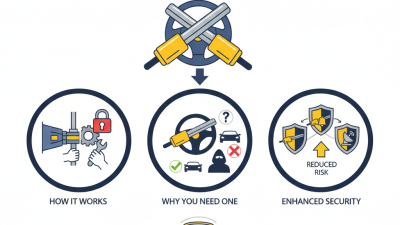
A parked car can look secure, yet a visible deterrent may still make a thief reconsider. An Auto Steering Wheel Lock adds a physical barrier across the wheel, making quick access and steering more difficult. It is not a guarantee. No lock is magic.
The best choice depends on your car, parking routine, and comfort with installation. A compact sedan and a large SUV may need different lock lengths and adjustment ranges. This guide compares ten options for 2026, focusing on fit, locking mechanism, materials, visibility, storage, and ease of use. These details matter when you are fastening the device in a dim garage or removing it with cold hands. Small frustrations count.
A steering wheel lock works best as one layer of sensible vehicle security, alongside locking the doors and keeping valuables out of sight. It cannot prevent every theft, and product claims should be checked against the manufacturer’s current specifications. Price alone tells little. A bright, sturdy lock may attract attention, but it can also be awkward to store; a lighter model may be easier to carry, yet feel less substantial. There is no perfect pick, and that is worth saying plainly. Compare the measurements with your steering wheel before buying, then choose a model you will actually use.
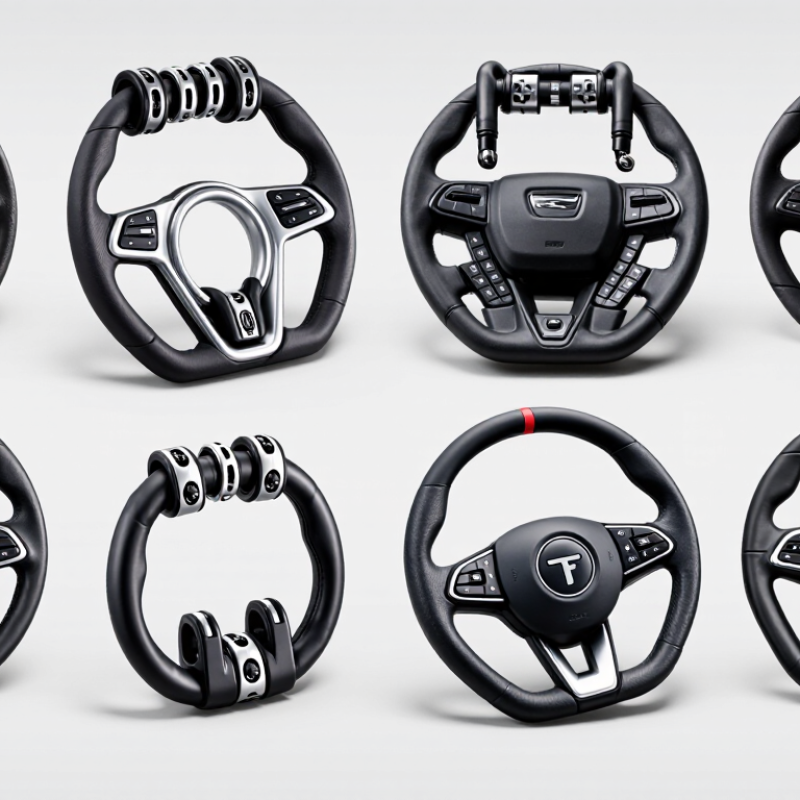
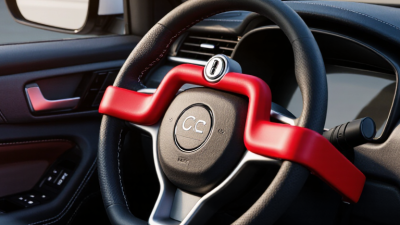
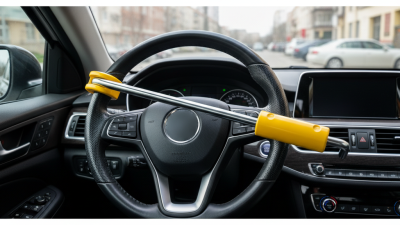
An auto steering wheel lock is a removable device that clamps across the steering wheel, often extending toward the dashboard or windshield. Once secured, it limits how far the wheel can turn. Many models use a key-operated lock; others use a combination mechanism. The bright metal bar is also easy to spot through a window, which may discourage opportunistic theft. It is a deterrent, not a guarantee. A determined thief may still damage the vehicle or remove the device.
Tips: Measure your steering wheel before buying, and check that the lock fits snugly without scraping the trim. Choose a model that feels solid, with a lock mechanism you can operate reliably. Store its key somewhere accessible, but not inside the car. Test the fit while parked, then remove the device before driving.
These locks work best as one layer of vehicle security, alongside locking doors and keeping valuables out of sight. They can be awkward in a cramped cabin, and installation may take practice. That part is easy to underestimate. A lock that is difficult to handle may be left unused, so convenience matters as much as visible strength.
| Rank | Lock Type | How It Works | Best Suited For | Fit and Installation Check | Main Advantage | Trade-Off |
|---|---|---|---|---|---|---|
| 1 | Adjustable steering-wheel bar | A locking bar hooks onto the steering-wheel rim and extends across it, limiting how far the wheel can turn. | Drivers looking for a familiar, removable visual deterrent. | Check that the hooks fit the rim and that the locked bar cannot be easily slipped off. | Quick to fit and highly visible through the windows. | Fit and resistance to removal vary by design; it does not prevent other entry or theft methods. |
| 2 | Double-hook steering-wheel bar | Two hooked ends grip separate points on the steering-wheel rim while the bar blocks wheel rotation. | Vehicles whose wheel shape allows both hooks to seat securely. | Confirm both hooks engage the rim without pressing controls, trim, or the airbag cover. | Two contact points can make the lock harder to reposition than a loose single-hook fit. | Some wheel designs, including unusually thick or shaped rims, may not suit it. |
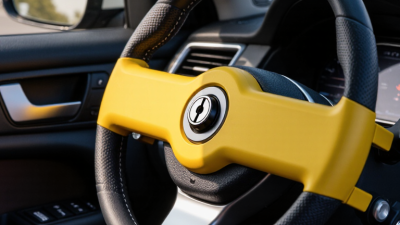
| 3 | Full steering-wheel cover lock | A rigid cover encloses much of the wheel and is secured with a keyed or combination locking mechanism. | Owners who want broad coverage of the steering-wheel rim. | Measure the wheel and check clearance around spokes, dashboard, and driver controls. | Covers more of the wheel than a simple crossbar and is conspicuous. | Bulkier to store and may take longer to install or remove. |
| 4 | Steering-wheel-to-pedal lock | A bar or cable connects the steering wheel to a pedal, restricting movement of one or both components. | Drivers who want a physical connection between two vehicle controls. | Check that the device reaches a suitable pedal and does not interfere with driving when removed. | Combines a visible steering-wheel deterrent with a pedal restraint. | Installation can be awkward, and pedal layout affects compatibility. |
| 5 | Steering-wheel-to-seatbelt lock | A locking device connects the steering wheel to the seatbelt buckle or belt assembly to restrict wheel movement. | Vehicles where a compatible, secure connection point is available. | Ensure the device does not damage the belt, buckle, seat, or steering-wheel finish. | Can be compact and straightforward to store. | Compatibility depends on cabin layout, and the belt connection must be secure. |
| 6 | Telescoping steering-wheel lock | An extendable bar adjusts to the wheel and locks at a selected length to obstruct steering. | Drivers who need an adjustable device for different wheel sizes. | Verify the adjustment range and confirm the lock engages firmly at the required length. | Adjustability can improve fit across compatible vehicles. | Moving parts require a secure locking mechanism and may add weight. |
| 7 | Compact removable steering-wheel lock | A shorter bar or compact clamp attaches to the wheel and prevents normal rotation when locked. | Drivers prioritizing easy storage in a glove box, door pocket, or trunk. | Check that its smaller size still spans or grips the wheel securely. | Convenient to carry and generally quick to put on or remove. | A compact design may provide less coverage than a full-length bar or wheel cover. |
| 8 | Alarm-equipped steering-wheel lock | A physical wheel lock incorporates a motion or tamper sensor that can sound an alarm when disturbed. | Drivers who want an audible alert alongside a physical deterrent. | Check battery requirements, alarm controls, and whether the sensor can be armed without triggering accidentally. | Adds an audible warning to a visible mechanical barrier. | Requires power and may produce false alarms; an alarm does not guarantee that help will arrive. |
| 9 | High-visibility steering-wheel lock | A brightly colored bar or cover is fitted across the steering wheel to make the added security device easy to see. | Parking in public areas where a visible deterrent is a priority. | Choose a design that fits the wheel securely; color alone does not determine security. | Its presence is readily noticeable from outside the vehicle. | Visibility is a deterrent feature, not a substitute for a secure fit or other precautions. |
| 10 | Heavy-duty steel steering-wheel lock | A reinforced metal bar or housing attaches to the wheel and blocks steering movement when locked. | Drivers who prefer a substantial, rigid mechanical device. | Check the actual weight, construction, locking operation, and fit with the vehicle’s wheel. | Rigid construction can feel more substantial than lightweight alternatives. | Often heavier to handle and store; material descriptions alone do not establish resistance to attack. |
Selection note: “Best” depends on vehicle fit, ease of use, and the level of visible deterrence desired. Check the manufacturer’s compatibility guidance for your vehicle, and treat a steering-wheel lock as one layer of security rather than a guarantee against theft.