In 2026, global buyers are evaluating The Club Steering Lock beyond its familiar bright-red appearance. They want dependable physical security, simple operation, and compatibility with different vehicle interiors. A strong buying decision begins with the lock type, not the color or advertising claim.
Common options include full steering-wheel bars, compact wheel-to-pedal designs, dual-hook models, and adjustable versions for varied wheel sizes. Each type creates a different balance between visibility, storage space, installation time, and resistance to forced movement. Hardened steel construction matters. So does a reliable locking cylinder. A poorly fitted device can rattle, scratch trim, or become inconvenient during daily use. Small details matter here.
Bruce Schneier, a respected security technologist, often states, “Security is a process, not a product.” That principle also applies to The Club Steering Lock. A visible lock can discourage casual interference, but it should support broader vehicle-security habits. Buyers should confirm wheel dimensions, airbag clearance, key control, warranty terms, and local equipment requirements before ordering. Product descriptions are not always precise. That deserves attention.
This guide compares leading lock types for distributors, fleet operators, retailers, and individual vehicle owners worldwide. It considers practical installation, materials, portability, user experience, and manufacturer support. No steering lock is invincible. Still, the right design can create a clear physical barrier and a strong visual warning. Performance may vary between vehicles, climates, and usage patterns. That is an imperfect point, but an important one. Reliable selection comes from testing fit and handling before large-scale purchasing.
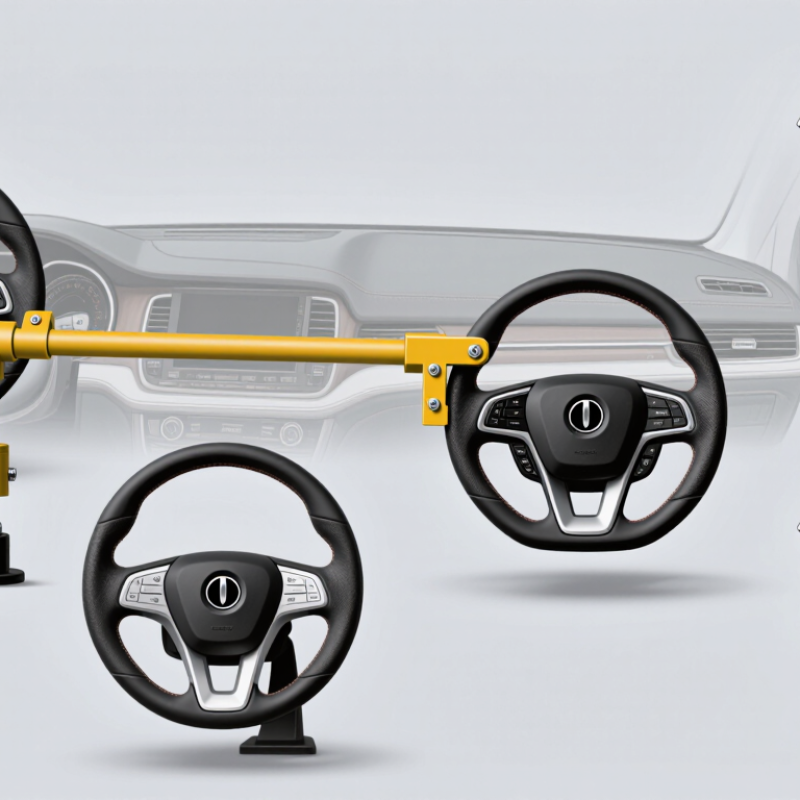
A Club steering lock is a removable mechanical device that restricts steering-wheel movement. Most models use a hardened bar with hooks or a locking collar. When fitted across the wheel, the bar reaches the dashboard, seat, or another fixed limit. The wheel may turn slightly, but it cannot complete a normal steering movement. This simple barrier can discourage unauthorized use and slow forced entry. The National Insurance Crime Bureau reported 850,708 vehicle thefts in the United States during 2024. That figure shows why visible, layered protection still matters. However, a steering lock is not a complete security system.
Global buyers usually compare full-wheel bars, adjustable crossbar locks, and pedal-to-wheel designs. Full-wheel models are easier to notice through glass. Adjustable designs can fit more wheel sizes, but poor tension creates a weak point. Check the vehicle manual, lock dimensions, key quality, corrosion resistance, and storage space. The device must never remain installed while driving. NHTSA guidance also supports using several theft-prevention habits rather than relying on one product. A practical mistake is treating visibility as proof of protection. It is only one layer.
Tips: Measure the steering wheel before ordering. Choose a bright, durable finish for quick visual checking. Test the lock indoors first. Confirm smooth locking and removal. Keep a spare key in a safe, lawful location. Inspect the bar and hooks monthly; small cracks or loose joints should not be ignored. No lock is magic, and that limitation deserves honest attention.
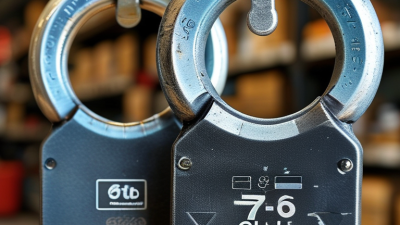
A steering lock is a visible mechanical anti-theft device that restricts steering-wheel movement by connecting the wheel to a fixed control point or by covering the wheel.
| Lock Type | How It Works | Typical Fit Range | Typical Weight | Main Security Benefit | Advantages | Limitations | Best Use Case |
|---|---|---|---|---|---|---|---|
| Straight Steering-Wheel Bar Lock | A telescopic metal bar hooks across the steering wheel and prevents it from turning through a full rotation. | Commonly designed for steering wheels about 35–45 cm in diameter; confirm hook clearance before purchase. | Approximately 0.8–1.5 kg | Strong visual deterrence and a physical steering obstruction. | Fast installation, compact storage, broad vehicle compatibility, and easy visual inspection. | Does not protect the pedals or ignition; fit may be affected by unusual wheel shapes or dashboard clearance. | Daily parking in urban areas and general passenger vehicles. |
| Full-Cover Steering-Wheel Lock | A rigid cover encloses a substantial portion of the wheel, restricting access to the rim and reducing steering control. | Usually suitable for wheels approximately 35–45 cm across; cover depth and spoke layout must be checked. | Approximately 1.2–2.5 kg | Greater physical coverage than a simple cross-bar design. | Highly visible, difficult to operate around, and provides additional protection against cutting the steering rim. | Bulkier to store and slower to fit; may interfere with steering-wheel controls or paddles. | Higher-risk parking locations and vehicles requiring a prominent deterrent. |
| Steering-Wheel-to-Pedal Lock | A hardened bar connects the steering wheel to the brake or clutch pedal, limiting steering movement and pedal operation. | Common adjustable length approximately 55–85 cm; pedal spacing and steering-wheel position vary by vehicle. | Approximately 1.0–1.8 kg | Protects two control areas at the same time, increasing the number of obstacles an intruder must overcome. | Dual-point restraint and useful for vehicles with limited steering-wheel clearance. | Installation can be less convenient; unsuitable pedal geometry may prevent secure attachment. | Vehicles with accessible metal pedals and owners seeking combined steering and pedal restraint. |
| Steering-Wheel-to-Seat or Fixed-Point Lock | A locking bar links the steering wheel to a rigid seat frame or another approved fixed mounting point inside the cabin. | Often adjustable for an interior span of approximately 45–75 cm; the selected anchor must be structurally secure. | Approximately 1.0–2.0 kg | Creates a direct physical connection between the wheel and a fixed interior structure. | Can provide a stable restraint without relying on the pedals. | Not compatible with every seat rail or cabin layout; incorrect anchoring may damage trim or fail to restrain the wheel. | Vehicles with suitable exposed seat-frame or fixed-point geometry. |
| Pedal Lock with Steering Hook | A reinforced device locks onto a brake or clutch pedal while a secondary hook engages the steering wheel. | Typically adjustable for pedal-to-wheel distances of about 45–70 cm; check pedal thickness and spacing. | Approximately 1.2–2.2 kg | Combines pedal immobilization with restricted steering movement. | More difficult to bypass than a steering-only device when correctly fitted. | May not fit electronic parking-brake layouts, closely grouped pedals, or vehicles with plastic pedal covers. | Vehicles with conventional brake or clutch pedals and longer-term parking. |
| Compact Steering-Spoke Lock | A small hardened device clamps a steering-wheel spoke or blocks movement near the steering column. | Fit depends on spoke thickness, spoke angle, and the distance between the wheel and dashboard. | Approximately 0.5–1.0 kg | Provides a compact physical obstruction with a short installation time. | Lightweight, portable, and convenient for occasional use. | Usually offers less coverage and leverage resistance than a full-length or full-cover design. | Small vehicles, short stops, and buyers prioritizing portability. |
| Adjustable Heavy-Duty Bar Lock | A longer telescopic bar uses hardened hooks or jaws to span the steering wheel and restrict rotation. | Common adjustment range approximately 45–75 cm; generally accommodates many 35–45 cm steering wheels. | Approximately 1.0–2.0 kg | Longer leverage and thicker construction can improve resistance to forced movement. | Flexible fit, prominent visibility, and suitable for a broad range of vehicle interiors. | Heavier than compact locks and may be incompatible with very deep dashboards or non-circular wheels. | SUVs, light commercial vehicles, and buyers seeking a robust general-purpose option. |
| Commercial-Vehicle Extended Lock | An extended bar or wheel-to-pedal system is designed for larger steering wheels, deeper cabins, or fleet vehicles. | Often adjustable beyond 70 cm; verify the steering-wheel diameter, pedal arrangement, and cabin clearance. | Approximately 1.5–3.0 kg | Provides greater reach and a strong visible deterrent for larger vehicles. | Useful for vans, trucks, buses, and fleet parking where standard passenger-car locks may be too short. | Bulkier, less convenient to store, and not automatically suitable for passenger cars. | Commercial fleets and vehicles with large steering wheels or extended pedal distances. |
2026 Top The Club Steering Lock Types for Global Buyers
Main Club Steering Lock Types and Their Security Features
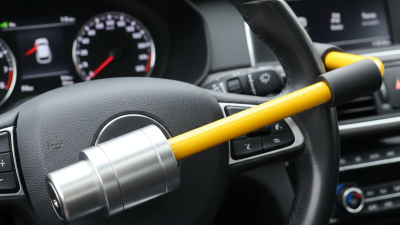
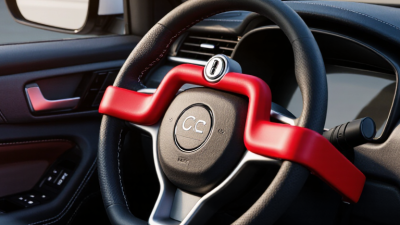
Club steering locks remain practical because they create a visible obstacle inside the vehicle. The traditional bar lock stretches across the steering wheel and blocks rotation. Hardened steel, enclosed locking cylinders, and resistant cutting surfaces improve its security. A bright finish also signals protection before an intruder enters.
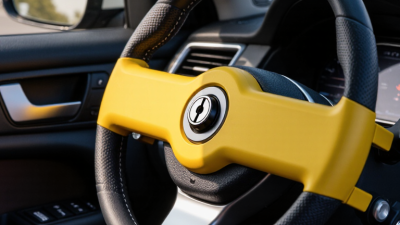
Full-cover steering locks protect more of the wheel. They can cover the rim, spokes, and central area. This design reduces access for cutting tools and makes steering control difficult. Pedal-to-steering locks add another barrier by connecting the wheel to a brake or clutch pedal. Their strength depends heavily on correct fitting and the vehicle’s pedal layout. It is not a universal solution.
Some modern models use electronic alarms, motion sensors, or coded locking systems. These features may alert nearby people when the lock is struck or moved. However, batteries can fail, and false alarms may reduce user confidence. Mechanical protection should remain the foundation. In professional inspections, I check metal thickness, hinge strength, key control, and pressure points around the wheel. A lock that feels solid but leaves a wide gap needs reconsideration. No steering lock is perfect. Its real value comes from delaying access, attracting attention, and matching the vehicle correctly.
A steering wheel club lock should resist force, fit securely, and remain practical daily. Buyers often compare hardened steel, reinforced alloys, and layered designs. Hardened steel usually offers strong resistance against cutting and bending. However, it can add noticeable weight. Reinforced alloy models may feel lighter, but their performance depends on thickness and construction. Check the lock body, joints, pin, and mounting points. Weak hinges can undermine excellent-looking materials.
Fit is equally important. Measure the steering wheel diameter and spoke layout before ordering. A good lock should engage firmly without damaging the wheel surface. It should not touch dashboard controls or obstruct safe vehicle operation. Adjustable models suit more vehicles, but extra movement may create another weakness. Less movement is better. Test the lock on a stationary vehicle, and check whether the key or release mechanism works smoothly.
Anti-theft performance comes from several details, not appearance alone. Look for concealed locking parts, protected cylinders, and tamper-resistant construction. Independent test evidence is more useful than dramatic product language. Ask about corrosion resistance, temperature tolerance, and replacement-key procedures. These details matter in humid or cold regions. No lock is perfect. A visible device may discourage casual attempts, yet determined offenders can still exploit poor parking habits. I once underestimated fit because the lock looked solid. That was a useful mistake. Compare material strength, vehicle compatibility, daily handling, and verified testing together.
Choosing the Right Steering Lock for Different Vehicle Markets
Vehicle theft patterns vary by region, parking habits, and vehicle design. The National Insurance Crime Bureau recorded 1,020,729 vehicle thefts in the United States during 2023. That figure supports visible, physical deterrents, especially in outdoor parking areas. However, one lock cannot suit every market. Bar-style steering locks are practical for private cars, while full-cover designs may better protect steering controls against forced movement.
In warmer markets, buyers should check heat resistance, rubber grip, and storage durability. High temperatures can weaken low-quality plastic parts. In colder regions, the lock needs smooth operation with gloves and resistance to moisture. The UK Home Office reported more than 130,000 vehicle theft offences in England and Wales during the year ending March 2024. Compact locks fit smaller cabins, but larger vehicles may require adjustable models with broader steering-wheel coverage.
Vehicle structure also matters. Some modern cars have thick steering wheels, unusual spokes, or electronic controls that limit fitting space. Measure first. A lock that looks strong may still leave a gap. That assumption is too simple. Fleet buyers should also consider installation time, visibility, and training needs. The most expensive option is not always the most suitable. Independent testing, material specifications, and clear warranty terms deserve careful review before shipment.
A steering lock should fit the vehicle’s steering wheel without blocking gauges, switches, or airbag areas. Installation starts with a clean inspection. Check the wheel diameter, spoke shape, rim thickness, and available locking points. A qualified technician should confirm that the device does not interfere with steering controls or driver visibility. It must also release smoothly with the correct key or mechanism. Never force the lock into position.
Maintenance is simple but important. Wipe metal surfaces with a dry cloth, inspect hinges for looseness, and keep the locking cylinder free from dust. Use only manufacturer-approved lubricant, because excess oil can attract grit. Test the device before every long trip. Small defects matter. A bent hook or worn contact point can reduce stability.
Global buyers face different vehicle designs, climates, and compliance expectations. Heat, coastal moisture, winter salt, and heavy dust can affect materials and moving parts. Buyers should request clear fitting data, corrosion information, user instructions, and warranty terms. Local transport rules may also influence acceptable installation practices. Product documentation should use clear language and include safety warnings. In practice, even experienced installers can overlook steering-wheel coatings or unusual spoke layouts. That mistake is easy to make. A careful sample fitting, local technical review, and documented inspection are more reliable than choosing by price alone. Availability of replacement keys and service support also deserves attention.
Mechanical steering-wheel and pedal locks generally require only a few minutes for installation and periodic visual inspections. Wheel clamps typically take slightly longer to fit and require more frequent checks because they are exposed to road dirt and weather. Electronic steering-column and gearshift locks usually require professional installation, but their recommended inspection cycle is longer. Actual installation time and maintenance schedules may vary by vehicle design, operating environment, and local regulations.