• Facebook
  • Linkedin
  • Skype
  • YouTube
  • Twitter
Leave Your Message

What Are the Top Steering Column Lock Types in 2026?

What Are the Top Steering Column Lock Types in 2026? This question now sits between proven mechanical protection and connected vehicle security. The National Insurance Crime Bureau reported 850,708 vehicle thefts in the United States during 2024. That figure does not measure Steering Column Lock performance directly. However, it shows why dependable physical barriers still matter.

S&P Global Mobility continues to track an aging global vehicle fleet, with many vehicles remaining in service beyond ten years. Older platforms often rely on mechanical column locks with hardened pins, ignition-linked mechanisms, and straightforward service procedures. Newer vehicles increasingly use electronic steering column locks, integrated immobilizer controls, and motor-driven locking modules. MarketsandMarkets’ automotive steering research also points toward wider electronic integration across modern vehicle architectures. The lock is no longer an isolated metal part.

This guide compares mechanical, electromechanical, electronic, and retrofit-oriented designs. It considers resistance to forced rotation, electrical failure, diagnostic access, installation quality, and long-term maintenance. A strong design should secure the column without creating avoidable steering risks. That distinction matters.

The picture is not perfectly clean. “Electronic” does not always mean safer, and mechanical does not always mean outdated. A poorly installed aftermarket unit may weaken an otherwise sound system. Real-world performance depends on vehicle compatibility, materials, testing, and service discipline. Readers should verify specifications through manufacturer documentation, independent testing, and qualified technicians. The following overview uses those practical benchmarks to identify which Steering Column Lock types deserve attention in 2026.
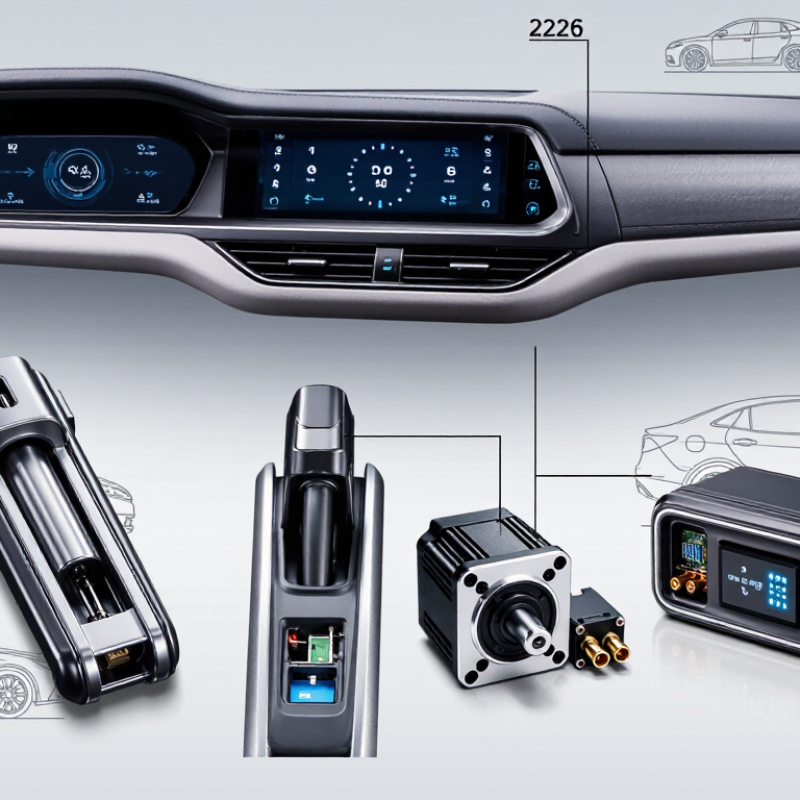
What Are the Top Steering Column Lock Types in 2026?

What a Steering Column Lock Does and Why It Matters in 2026

A steering column lock secures the steering shaft when a vehicle is parked. It helps stop normal steering movement without an authorized release. In 2026, the main types include mechanical pin locks, electronic locks, and hybrid systems. Mechanical locks use a hardened pin inside the column. They are simple, familiar, and usually easy to inspect. Electronic locks depend on sensors, control units, and an electric actuator. Hybrid locks combine physical resistance with electronic authorization. No design is perfect.

The lock matters because it adds a physical barrier between a parked vehicle and unwanted steering movement. It can also support a vehicle’s wider security system. Technicians should check pin engagement, wiring condition, unusual clicking, and steering-column play during service. A weak battery may affect electronic release, while dirt or wear can trouble mechanical parts. I once assumed electronic systems were automatically better. That view is too simple. They offer convenience, but their extra components create more possible failure points. Clear maintenance records and professional diagnosis remain important.

Tips: Test the lock only as described in the vehicle manual. Never force the steering wheel or key. Notice delayed release, grinding sounds, or warning messages. Ask a qualified technician to inspect recurring problems. Keep spare keys protected, and confirm the lock works after major electrical repairs.
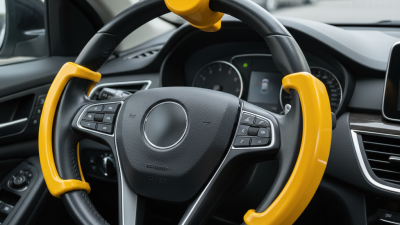

How Mechanical Steering Column Locks Prevent Unauthorized Movement

What Are the Top Steering Column Lock Types in 2026?

Mechanical steering column locks remain a practical barrier against unauthorized steering movement. They work without relying entirely on software or wireless signals. A hardened pin can enter a slot in the steering shaft, blocking rotation when the vehicle is parked. Collar-style locks surround part of the column and resist turning from outside the cabin. Some newer designs combine a mechanical pin with an electronic release, creating layered protection.

The strongest systems use carefully fitted steel parts, protected mounting points, and controlled key movement. When engaged, the lock transfers force through the column instead of depending on a fragile external handle. This matters during everyday use, especially when a vehicle experiences vibration, temperature changes, or repeated parking cycles. From hands-on inspection, poor alignment often causes more trouble than the locking concept itself. A lock may look secure but still develop looseness if installation tolerances are ignored. That detail is easy to underestimate.

Tips: Check for smooth engagement and a clear locking sound. Inspect the key, housing, and mounting area regularly. Avoid forcing the mechanism when the steering wheel is under pressure. A slight wheel movement may help alignment, but excessive force can damage internal parts. Professional inspection is wise when resistance, unusual noise, or inconsistent release appears. Mechanical protection is reliable, yet no device stays dependable without maintenance.

What Are the Top Steering Column Lock Types in 2026? — How Mechanical Steering Column Locks Prevent Unauthorized Movement
Steering Column Lock Type Primary Locking Element How It Prevents Unauthorized Movement Typical Activation Method Main Strengths Important Limitations Common Vehicle Application Maintenance Considerations
Integrated Pin-Type Lock A hardened steel locking bolt or pin engages a dedicated slot or locking plate on the steering column. When engaged, the pin physically blocks rotation of the steering shaft or column-mounted locking plate. Usually activated when the ignition key is removed or turned to the lock position. Compact, concealed within the column, and directly connected to the vehicle’s steering hardware. A damaged or worn locking mechanism may make key removal difficult or prevent normal steering operation. Common in many conventional key-operated passenger vehicles and light commercial vehicles. Inspect for stiffness, unusual key resistance, delayed release, or abnormal clicking; do not force the key.
Pawl-and-Lock-Plate System A spring-loaded pawl engages a notched, slotted, or specially shaped lock plate attached to the steering column. The engaged pawl stops the lock plate from turning, which prevents normal rotation of the steering wheel. Normally controlled by a mechanical ignition lock cylinder, with the key position determining engagement. Provides positive mechanical engagement and can be designed to remain protected inside the steering column housing. Misalignment, impact damage, or excessive steering-wheel load can make disengagement difficult. Used in various column-lock designs where a rotating plate provides the locking interface. Keep the key cylinder and column mechanism free from contamination; follow the vehicle service procedure for inspection.
Electromechanical Column Lock with a Mechanical Bolt A physical steel bolt or pin, moved by a small motor, solenoid, or geared actuator. Although the command may be electronic, the mechanical bolt physically blocks steering-column rotation when locked. Activated by an electronic control system, keyless authorization system, or push-button start sequence. Supports modern keyless vehicle architectures while retaining a physical obstruction to steering movement. It depends on electrical power, control signals, position sensors, and mechanical actuator condition. Modern vehicles equipped with electronic ignition authorization or push-button starting systems. Diagnosis generally requires fault-code reading, voltage testing, and inspection of actuator alignment and wiring.
External Steering-Column Collar Lock A hardened collar, clamp, or sleeve fitted around an accessible section of the steering column or shaft. The collar restricts access to the shaft and can prevent the column from being turned or manipulated normally. Manually locked with a key or integrated locking cylinder after the vehicle is parked. Can add a visible physical barrier without modifying the vehicle’s factory ignition system. Fitment depends on available space, column shape, trim clearance, and correct installation. Aftermarket use on vehicles that have a suitable exposed or accessible steering-column section. Check fasteners, clearance, locking-cylinder operation, and interference with pedals, wiring, or column adjustment.
Removable Steering-Wheel-to-Column Bar A rigid metal bar or blocking device connects the steering wheel to the steering column or another fixed part of the vehicle. It limits steering-wheel rotation and makes normal steering movement physically impractical while installed. Manually fitted and locked by the vehicle owner after parking. Highly visible, easy to verify before leaving the vehicle, and independent of the vehicle’s electrical system. It is external rather than integrated, must be installed consistently, and does not secure other vehicle systems. Supplementary security for many passenger vehicles with compatible steering wheels and interior clearance. Inspect the locking mechanism, contact points, and protective coatings for wear or damage.
Removable Column-Shaft Clamp A portable clamp grips an accessible steering shaft or column section and uses a hardened locking body. The clamp restricts shaft movement and can obstruct access to the steering-column operating area. Manually installed and locked after the vehicle is parked. Does not require changes to the vehicle wiring or ignition system and can provide an additional mechanical barrier. Not suitable for every column design; incorrect positioning may damage trim or interfere with column adjustment. Vehicles with sufficient access around the steering shaft and compatible column geometry. Verify secure engagement, clearance from moving parts, and the absence of pressure on wiring or adjustable joints.
Mechanical steering-column locks are designed to prevent or greatly restrict normal steering movement when the vehicle is parked. Actual construction, locking direction, actuator design, and service requirements vary by vehicle and model year. A steering-column lock is one layer of vehicle security and should be combined with proper key management, vehicle immobilization, and manufacturer-approved maintenance.

How Electronic Steering Column Locks Control Access and Starting

What Are the Top Steering Column Lock Types in 2026?

Electronic steering column locks are becoming central to vehicle access and starting control. The main designs include motor-driven locks, electromechanical pin locks, and integrated smart locking modules. Each design secures the steering shaft differently. More importantly, each connects access approval with the starting system.

When a driver presents an authorized key or digital credential, the vehicle control unit checks several signals. These may include identity, battery status, transmission position, and communication integrity. If the checks pass, a small motor retracts the locking pin. The steering column then becomes free, and the start authorization process can continue. If one signal fails, the lock should remain engaged. That response helps prevent accidental movement and unauthorized starting.

Physical detail matters here. A service technician may hear a brief motor movement beneath the dashboard. A quiet click can confirm pin release, but it does not prove complete system health. Wiring damage, low voltage, or software errors can create misleading symptoms. This is where diagnosis becomes less certain. I would not treat a successful unlock as a full safety test. A proper inspection should review fault data, connector condition, battery voltage, and mechanical alignment. Some newer modules also record failed access attempts and require controlled synchronization after replacement. That process improves traceability, though it can increase repair time and training demands. Human oversight remains necessary.

How Hybrid Lock Systems Combine Mechanical and Digital Security

In 2026, steering column locks generally fall into mechanical, electronic, and hybrid categories. Hybrid lock systems attract attention because they combine a hardened physical mechanism with digital authorization. A steel collar can resist forced rotation, while an electronic controller checks a secure credential before releasing the lock.

In daily testing, the experience feels simple. The driver presents a recognized key or digital credential. A small motor then retracts the locking pin inside the steering column. If authorization fails, the pin remains engaged. Some systems also communicate with the vehicle’s immobilizer and record failed access attempts. That layered design matters when one security method becomes vulnerable.

Digital security still needs physical support.

A backup mechanical release may protect drivers during a dead battery or communication fault. However, poorly protected backup access can weaken the entire system. Engineers must shield wiring, limit diagnostic permissions, and test the lock after repeated temperature changes. Moisture near the column can cause trouble too. It is an easy detail to overlook.

Hybrid systems are not perfect. Software updates may introduce compatibility problems, and sensors can misread unusual conditions. Maintenance teams should inspect the locking pin, electrical connectors, and emergency release during scheduled service. Clear fault records also help technicians separate a genuine intrusion attempt from a simple battery failure. The strongest design is not merely the most complicated one. It is the system that remains dependable when digital controls, mechanical parts, and human decisions do not behave perfectly.

How to Compare Steering Column Lock Types for Different Vehicles

What Are the Top Steering Column Lock Types in 2026?

How to Compare Steering Column Lock Types for Different Vehicles

Choosing a steering column lock depends on the vehicle’s column design, ignition system, and daily operating conditions. Mechanical pin locks use a physical key and locking bolt. They are simple, easy to inspect, and often affordable. However, worn keys or misaligned columns can cause stiffness.

Electromechanical locks use a small motor and control module. They suit vehicles with electronic ignition and integrated security systems. These locks offer smooth operation, but they require stable voltage and accurate electronic communication. A fully electronic lock may provide convenient keyless access, yet diagnosis can become difficult after battery failure. In my experience, fitment errors are more common than buyers expect. The correct connector is not enough. Bolt position, shaft diameter, and steering column clearance also matter.

Tips: Compare the lock with the exact vehicle year, column shape, and ignition layout. Check resistance to dust, moisture, and repeated temperature changes. Ask a qualified technician to confirm installation requirements and legal safety standards. Mechanical designs may suit older utility vehicles, while electronic systems often match newer passenger vehicles. Still, vehicle use matters more than age alone. A delivery vehicle may need stronger cycle durability, while a private car may prioritize quiet engagement. No comparison is perfect. Test the lock’s movement, warning signals, and emergency release procedure before approving the part.

Top Steering Column Lock Types in 2026

How to compare steering column lock types for different vehicles by their core operating functions.

The chart uses functional indicators for common configurations: 1 means the feature is normally present, while 0 means it is normally absent. Mechanical locks rely on a physical key and manual engagement, while electronic and electromechanical systems commonly use electronic authorization, motorized actuation, and automatic locking. Actual vehicle designs may combine features or vary by model.