• Facebook
  • Linkedin
  • Skype
  • YouTube
  • Twitter
Leave Your Message

Top 10 Types of Auto Steering Locks for Global Buyers

Vehicle theft remains a practical concern for global buyers, even as factory security systems improve. The National Insurance Crime Bureau reported 1,020,729 vehicle thefts in the United States during 2023, an increase from the previous year. That figure does not describe every market, but it shows why visible, physical deterrents still deserve attention. An Auto Steering Lock can make unauthorized driving slower, noisier, and more noticeable.

This guide introduces ten common types, including rigid steering bars, wheel-to-pedal locks, full-cover designs, steering-column locks, folding models, and alarm-integrated devices. Each design creates a different balance between resistance, storage space, installation time, and daily convenience. Thatcham Research emphasizes that vehicle security depends on layered protection, not one isolated product. That principle matters for buyers comparing cars, commercial fleets, and aftermarket accessories across regions.

Fit is critical. A lock that leaves excess movement around the steering wheel may offer limited practical value. A bulky model may also obstruct airbags, dashboard controls, or emergency release functions. Buyers should check vehicle compatibility, locking-cylinder quality, visible construction, and relevant regional certification before purchase. Standards and approval schemes differ between Europe, North America, Asia, and other markets.

No lock is perfect. That is worth saying plainly. Product claims can also sound stronger than real-world evidence. This outline therefore compares design features and trade-offs, rather than promising absolute protection. It also considers climate exposure, driver hand comfort, storage conditions, and repeated daily use. A reliable choice should resist tampering while remaining simple enough to use every time.
Top 10 Types of Auto Steering Locks for Global Buyers

Understanding Auto Steering Locks and Their Role in Vehicle Security

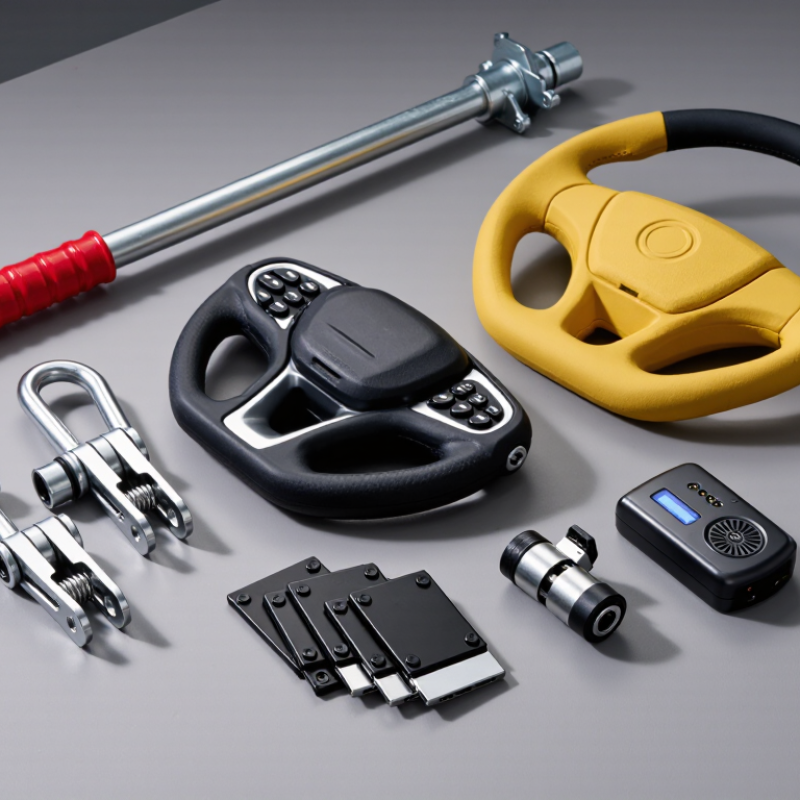
Auto steering locks are physical devices that restrict steering movement when a vehicle is parked. They add a visible barrier before an intruder reaches the ignition or electronic systems. The ten common types include full-wheel locks, pedal-to-wheel locks, gear-shift locks, steering-column collars, removable wheel clamps, adjustable bar locks, folding locks, hidden column locks, electronic steering locks, and heavy-duty commercial models. Each design balances visibility, installation time, storage, and resistance to forced movement. In practical use, a highly visible lock can discourage casual tampering, while a concealed device supports layered protection. No lock is perfect.

Tips: Measure the steering wheel and check clearance before buying. Choose hardened metal, protected keyways, and a comfortable grip. Test installation inside the vehicle, especially at night. Keep the key separate from the ignition key. Inspect joints regularly for looseness, rust, or damaged coating.

A reliable choice should match the vehicle, parking environment, and user’s daily habits. A compact folding model may suit apartment parking, while a wheel-to-pedal design can offer stronger physical restriction. Look for clear operating instructions and verified material information from the seller. Avoid products that promise absolute security; such claims deserve careful questioning. I have found that convenience often decides whether owners use a lock consistently. A device left in the trunk protects nothing. Review local vehicle requirements before installation, because steering controls must never be obstructed while driving.

Classifying Steering Locks by Design, Mechanism, and Installation Method

Top 10 Types of Auto Steering Locks for Global Buyers

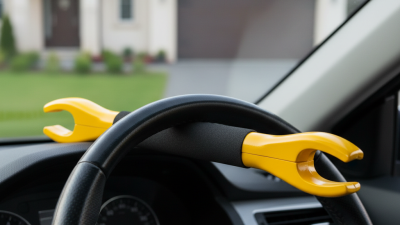
Auto steering locks can be classified by design, locking mechanism, and installation method. Common designs include full-wheel bars, wheel-to-pedal locks, wheel-to-dashboard braces, steering-column collars, and compact clamp locks. Full-wheel bars are visible and adjustable, while wheel-to-pedal models create a second physical barrier below the dashboard. Collar locks surround the steering column and usually require professional fitting. Compact clamps are easier to store, but their coverage may be limited. Size matters. A thick steering wheel can reject a poorly matched lock.

Mechanisms also vary. Key-operated locks remain simple and widely understood. Combination locks remove the need for a key, though worn number wheels may reduce confidence. Some electronic steering-column locks connect with the vehicle’s security system and need careful electrical installation. Integrated factory-style systems usually provide a cleaner fit, but compatibility must be verified by vehicle model and production year. Mechanical locks often install within minutes. Permanent collars take longer and may affect warranty terms.

Installation is the practical dividing line. Portable locks suit shared vehicles, rental fleets, and drivers who need quick removal. Semi-permanent devices offer stronger positioning but demand accurate alignment. Buyers should check wheel diameter, airbag clearance, pedal spacing, and local vehicle regulations. Test the lock before relying on it. A lock can feel solid yet sit loosely after temperature changes. No device guarantees complete protection, and sales descriptions sometimes sound stronger than real-world performance. Fresh measurements and professional advice remain worthwhile.

Ten Main Types of Auto Steering Locks for Global Buyers

Top 10 Types of Auto Steering Locks for Global Buyers

Ten Main Types of Auto Steering Locks for Global Buyers

Vehicle theft remains a serious purchasing concern. The NICB recorded 1,020,729 stolen vehicles in the United States during 2023. OICA reported 93.5 million motor vehicles produced worldwide in 2023. Buyers therefore need practical protection, not attractive packaging alone. The ten main types include fixed steering bars, adjustable T-bars, full-wheel covers, chain-and-padlock systems, cable locks, wheel-to-pedal locks, pedal locks, pedal-to-steering locks, steering-column collars, and alarm-integrated steering locks. Each design creates different installation demands. A full-wheel cover offers strong visual deterrence, while a collar protects the steering column directly. Electronic versions may add alerts, but they depend on battery condition and correct wiring.

Tips: Check hardened steel thickness, lock-cylinder resistance, corrosion performance, and interior clearance. Look for tested materials and traceable technical documents. ISO 9227 salt-spray testing can help assess corrosion resistance, although it does not prove theft protection. Confirm compatibility with steering-wheel diameter, airbags, and vehicle controls. A heavy lock is not always a better lock. Poor fitting can damage trim or restrict emergency movement. Buyers should also review local conformity rules, because requirements differ across markets. No single type suits every climate, vehicle, or driver. Even experienced purchasers can underestimate storage inconvenience. A lock left at home provides no protection.

Top 10 Types of Auto Steering Locks for Global Buyers

The chart compares indicative typical retail price midpoints in USD for widely used auto steering lock designs. Prices vary by material, vehicle compatibility, locking technology, and regional market conditions.

Bar-style and full-cover locks are commonly positioned as affordable mechanical options, while electronic and heavy-duty systems generally command higher prices.

Comparing Security, Usability, Compatibility, and Maintenance Requirements

Top 10 types of auto steering locks include traditional steering bars, adjustable wheel clamps, full-cover wheel locks, pedal-to-steering locks, steering-to-seat locks, gearshift-and-steering locks, electronic steering locks, alarm-integrated locks, custom-fit locks, and heavy-duty commercial models. Each serves a different risk profile. NICB’s 2023 Vehicle Crime Report recorded 1,020,729 vehicle thefts in the United States, showing why visible deterrence still matters. Security is layered.

A hardened steering bar usually provides strong visual resistance and simple operation, but it may interfere with thick steering wheels or dashboard controls. Full-cover designs conceal the wheel and offer better tamper resistance, although they require more storage space. Pedal-connected models can restrict movement effectively, yet installation may feel awkward in small cabins. Electronic versions add alarms and access controls, but they need battery checks and may create compatibility concerns with modern steering sensors. Custom-fit locks generally improve stability. Universal models cost less, but looseness is a real weakness.

Usability affects daily protection. A lock that takes thirty seconds to fit may be ignored during short parking stops. Fit matters. Buyers should check wheel diameter, spoke shape, airbag clearance, key access, and material corrosion resistance. UNECE vehicle security requirements emphasize secure locking and resistance to unauthorized operation, but aftermarket products may not share identical testing levels. Maintenance is often overlooked: inspect pivots, lubricate approved joints, replace damaged keys, and test alarms regularly. Some designs look impressive but age poorly. That deserves honest review.

Top 10 Types of Auto Steering Locks for Global Buyers — Comparing Security, Usability, Compatibility, and Maintenance Requirements
Rank Steering Lock Type Typical Construction Security Level Usability Vehicle Compatibility Installation & Removal Maintenance Requirements Main Advantages Important Limitations
1 Full-Cover Steering Wheel Shield Hardened metal or reinforced composite cover enclosing most or all of the steering wheel. ★★★★★ Very high visual and physical deterrence ★★★☆☆ Bulkier to store and handle Most vehicles with standard steering wheels; verify wheel diameter and spoke design. Usually tool-free; fitted over the wheel and secured with a key or locking mechanism. Check hinges, lock points, padding, and surface coating; keep the locking cylinder clean and dry. Provides broad wheel coverage and makes steering-wheel access difficult. Heavier, less convenient for frequent use, and may not fit unusually shaped or very thick wheels.
2 Telescopic Steering Wheel Bar Adjustable hardened-steel bar that spans the steering wheel and blocks rotation. ★★★★☆ Strong mechanical deterrence ★★★★☆ Quick to fit and store Broad compatibility with conventional round or near-round steering wheels; measure usable spoke spacing. Typically installed in seconds without tools; length is adjusted before locking. Inspect telescopic joints and locking teeth; lubricate only when recommended by the manufacturer. Compact, adjustable, and easy to use across multiple vehicles. Some designs leave portions of the wheel exposed and may interfere with unusual spoke layouts.
3 Straight Bar Steering Lock Fixed-length steel bar attached across the steering wheel rim or spokes. ★★★☆☆ Moderate to high deterrence ★★★★☆ Simple and fast operation Best for standard steering wheels with suitable openings between the rim and spokes. Tool-free fitting; the bar is locked after being positioned across the wheel. Check for bending, loose fasteners, damaged protective sleeves, and smooth lock operation. Generally affordable, lightweight, and easy to understand. Fixed dimensions reduce fit flexibility; exposed wheel sections may remain accessible.
4 Dual-Hook or Claw Lock Two hooked arms grip opposite sides of the steering wheel and connect to a central locking body. ★★★★☆ High resistance when correctly fitted ★★★☆☆ Requires accurate positioning Works with many standard wheels, but fit depends on rim thickness, spoke position, and wheel shape. Usually tool-free; hooks are placed around the rim and tightened before locking. Inspect hooks, pivots, contact pads, and the tightening mechanism for wear or looseness. Grips the wheel firmly and can be more difficult to dislodge than a basic bar. May damage delicate leather, heated-wheel surfaces, or non-standard wheel shapes if poorly padded.
5 Steering Wheel-to-Pedal Lock Rigid steel device linking the steering wheel to the brake or clutch pedal. ★★★★☆ Restricts both steering and pedal movement ★★★☆☆ More steps to install Commonly suitable for vehicles with accessible brake or clutch pedals; check pedal geometry and clearance. Installed from the steering wheel to a selected pedal; no permanent modification is normally required. Check locking joints, hooks, protective sleeves, and pedal contact areas for wear. Creates a physical connection between two control points and adds a strong visible deterrent. May not fit vehicles with obstructed pedals, electronic parking brakes, or limited footwell space.
6 Pedal-to-Floor or Pedal Lock Heavy-duty bar or clamp that immobilizes the brake, clutch, or accelerator pedal. ★★★☆☆ Moderate physical protection ★★★☆☆ Requires access to the footwell Most compatible with exposed metal pedals; less suitable for cramped footwells or integrated pedal assemblies. Placed around or against the selected pedal and locked in position. Inspect clamps and contact surfaces; remove dirt from the pedal area and check for corrosion. Can prevent pedal operation even when the steering wheel is difficult to access. Does not directly prevent steering-wheel rotation and may be inconvenient in vehicles with limited pedal clearance.
7 Chain-and-Padlock Steering Lock Hardened chain wrapped around the steering wheel and attached to a fixed interior anchor or pedal. ★★★☆☆ Depends heavily on chain and padlock quality ★★★☆☆ Flexible but slower to position Flexible fit for many vehicles, provided a strong anchor point is available and safe placement is possible. Usually tool-free; the chain is routed and secured with a separate padlock. Oil or protect the chain and lock only as specified; inspect links for stretching, rust, or damage. Adaptable length and useful where rigid bars cannot align with the wheel and pedals. Loose routing may allow movement; chain and padlock quality can vary significantly.
8 Cable Steering Lock Coated steel cable looped through the steering wheel and secured to a pedal or fixed anchor. ★★☆☆☆ Basic deterrence; lower cut resistance ★★★★★ Lightweight and highly flexible Broad physical compatibility where a suitable routing point exists. Fast, tool-free installation using a loop, keyed lock, or combination mechanism. Check the cable coating, end fittings, lock body, and signs of fraying or corrosion. Portable, compact, and convenient for occasional or secondary use. Generally offers less resistance to cutting and tampering than hardened-steel rigid locks.
9 Steering Column Lock Vehicle-integrated mechanical or electromechanical mechanism that locks the steering column. ★★★★☆ Strong when engineered and maintained correctly ★★★★★ Usually automatic during vehicle shutdown Vehicle-specific; compatibility depends on the column design, ignition system, and local regulations. Normally factory-installed or professionally retrofitted; installation may require partial column access. Follow vehicle service procedures; inspect electrical connections and mechanical engagement during servicing. Integrated appearance, no loose device to carry, and convenient daily operation. Higher installation cost, vehicle-specific fit, and potential safety or warranty concerns if improperly modified.
10 Removable Steering Wheel Lock Quick-release or removable steering-wheel system that requires a compatible hub and locking interface. ★★★★☆ High deterrence when the wheel is removed ★★☆☆☆ Requires removal and storage of the wheel Limited to vehicles with compatible steering-column hubs; airbag, horn, and control integration require specialist assessment. Professional installation is strongly recommended, especially for vehicles with airbags or steering-wheel controls. Inspect the hub, locking interface, electrical connectors, fasteners, and alignment during scheduled servicing. Removes the primary steering input and can provide a very strong physical deterrent. Expensive and vehicle-specific; incorrect installation can create serious steering or airbag safety risks.

Evaluating Global Purchasing Factors, Standards, and Vehicle Applications

Top 10 Types of Auto Steering Locks for Global Buyers

Evaluating Global Purchasing Factors, Standards, and Vehicle Applications

Auto steering locks vary by design, security level, and vehicle fit. Common types include full-wheel bars, steering-column locks, pedal-to-wheel locks, wheel-to-dashboard clamps, adjustable hook locks, folding locks, cable-assisted locks, electronic steering locks, heavy-duty fleet locks, and compact emergency models. Each type serves different vehicles and operating conditions.

Global buyers should compare hardened steel, lock-cylinder quality, corrosion resistance, and visible deterrence. Measure the steering wheel diameter, spoke shape, dashboard distance, and available pedal clearance. Electric vehicles may require different installation space and should not interfere with displays, airbags, or control systems. Left-hand and right-hand drive layouts can affect compatibility.

Standards matter. Request material reports, load-test records, corrosion testing, and clear installation instructions. Check the destination market’s vehicle-safety and product-labeling requirements before ordering. A reliable supplier should provide batch traceability, inspection records, replacement-key controls, and realistic warranty terms. Packaging also deserves attention in humid or cold shipping routes.

Price alone misleads. A cheaper lock may have rough edges, weak hinges, or poor key alignment. In procurement trials, sample testing often reveals problems that photographs hide. Test several steering-wheel shapes, not just one popular model. No checklist catches every fit issue. Leave room for returns, user feedback, and design changes.