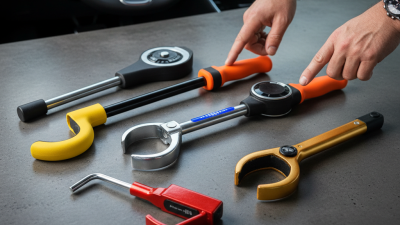
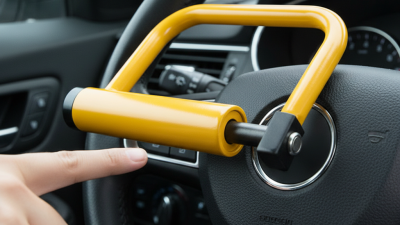
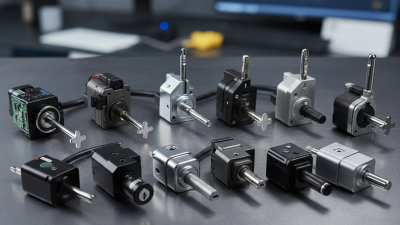
China’s Auto Steering Lock market deserves closer examination as vehicle security becomes more connected, visible, and regionally competitive. China produced about 30.16 million vehicles in 2023, according to the China Association of Automobile Manufacturers. That scale supports a broad supplier base, from stamped-steel lock makers to manufacturers developing electronic steering-column systems.
The global automotive steering system market is expected to expand steadily through the decade, according to Grand View Research. Yet market growth alone does not prove product quality. A serious manufacturer review must examine locking strength, cylinder precision, corrosion resistance, installation time, warranty support, and production consistency. Small details matter. A loose clamp, rough key turn, or weak coating can quickly expose quality differences. Bruce Schneier, a widely recognized security expert, stated, “Security is a process, not a product.” His observation applies directly to Auto Steering Lock evaluation, because reliable protection depends on design, manufacturing, testing, and correct use.
This “China Top 10 Auto Steering Lock Manufacturers?” guide will compare companies using practical and documented criteria. These include factory capability, certifications, export experience, customization support, inspection procedures, and customer-service reliability. Public records, industry reports, company disclosures, and available product evidence will guide the selection. Some information may remain incomplete. That limitation deserves honesty. Rankings can change as factories upgrade equipment, enter new markets, or improve testing. The strongest manufacturers are not necessarily the largest. They are the companies able to deliver consistent locks, clear specifications, and dependable support across real automotive applications.
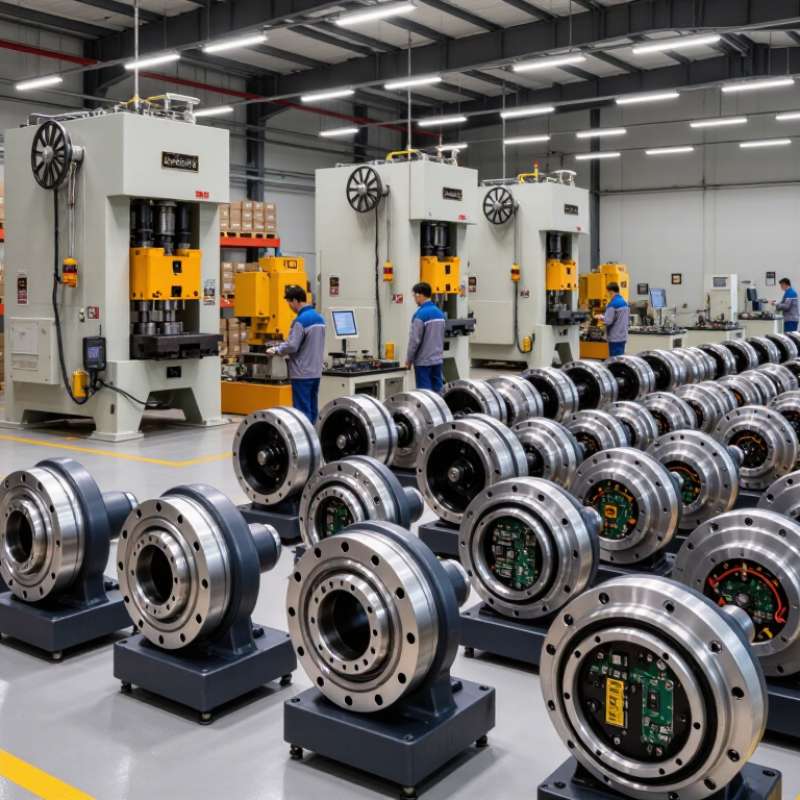
China produced 30.16 million vehicles in 2023, creating a substantial market for steering locks. Demand comes from vehicle assembly, replacement parts, commercial fleets, and export supply chains. However, production volume does not equal lock volume. Some vehicles use integrated electronic systems, while others still require mechanical steering protection.
A useful review of China’s top ten auto steering lock manufacturers should examine more than factory size. Engineering records, material testing, production consistency, and traceable quality controls matter. Hardened steel housings, resistant locking pins, stable key cylinders, and accurate mounting dimensions affect daily reliability. Salt spray testing is especially relevant for coastal fleets. So is repeated torque testing.
The numbers need caution. Public manufacturing data may not show model compatibility, replacement demand, or contract production. That gap deserves attention. A supplier with impressive output may still offer limited technical support. Buyers should request test reports, batch records, sample inspections, and clear warranty terms. Factory visits can reveal details that brochures hide, such as uneven machining or weak packaging. Small flaws matter. A steering lock faces vibration, dust, temperature changes, and frequent user handling. Suppliers that measure these conditions honestly are easier to trust.
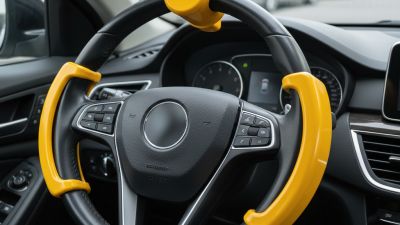
China Top 10 Auto Steering Lock Manufacturers
China’s leading steering lock manufacturers usually divide products into three practical categories: mechanical, electronic, and integrated systems. Mechanical locks use hardened steel pins, rotating collars, or reinforced housings. They remain popular because they need no battery and offer clear physical resistance. A solid lock should fit tightly, resist corrosion, and operate smoothly after repeated use.
Electronic steering locks combine motors, sensors, control units, and access authentication. They support keyless entry, alarm communication, and vehicle status monitoring. Engineers should examine response time, backup power behavior, connector sealing, and resistance to vibration. A simple bench test is not enough. Temperature cycling and repeated locking tests reveal weaknesses.
Integrated steering locks connect mechanical protection with electronic control. They may include an actuator, immobilizer interface, position sensor, and emergency release design. This architecture saves installation space but increases system dependence. A failed sensor can prevent normal operation. That detail matters. Manufacturers should provide traceable test records, material specifications, quality procedures, and clear installation guidance. Buyers should also compare noise levels, service access, software stability, and compatibility with the target vehicle platform. Some product claims sound impressive, yet field conditions can be harsher than laboratory testing. Dust, moisture, cold starts, and poor alignment deserve closer review. Safety remains the practical priority.
China Top 10 Auto Steering Lock Manufacturers?
Ranking China’s top ten auto steering lock manufacturers requires more than comparing factory size. The strongest candidates show stable OEM supply, documented production capacity, and current certification records. Rank one represents a manufacturer with broad vehicle-program coverage, automated assembly lines, and IATF 16949 certification. Rank two follows with strong domestic OEM reach, reliable testing equipment, and flexible production cells. Rank three combines export experience with ISO 9001 and ISO 14001 systems. Proof matters.
Ranks four through six typically include established suppliers with stamping, die-casting, electronics, and final assembly capabilities. Their annual capacity may support large orders, but published figures are not always comparable. One factory may report installed capacity, while another reports actual output. That difference deserves careful review. Ranks seven and eight often perform well in regional OEM projects, offering shorter development cycles and practical engineering support. Their certification scope should be checked by product site, not only by corporate headquarters.
Ranks nine and ten may serve smaller vehicle platforms or specialized steering lock applications. They can still provide useful customization, sampling speed, and competitive tooling support. However, buyers should verify traceability, salt-spray testing, endurance records, and change-control procedures. A supplier with impressive equipment may lack consistent process discipline. Not perfect. On-site audits, recent customer references, and sample-to-mass-production records provide stronger evidence than promotional claims. The ranking should remain adjustable as capacity, certification validity, and OEM programs change.
China Top 10 Auto Steering Lock Manufacturers?
China’s steering-lock market deserves a technical comparison, not a popularity contest. The China Association of Automobile Manufacturers reported 30.16 million vehicle production units in 2023. OICA recorded 93.55 million vehicles worldwide that year. These volumes increase pressure on suppliers to prove consistency, traceability, and field durability.
A credible top-ten shortlist should be benchmarked against GB 15740-2006 and UNECE R18. GB 15740-2006 focuses on motor-vehicle anti-theft devices, including steering-lock performance and reliability. UNECE R18 evaluates protection against unauthorized vehicle use through defined construction and testing principles. Buyers should request test reports, production-control records, corrosion results, cycle testing, and evidence that production samples match approved designs. A lock that passes one laboratory test may still fail after dust, cold starts, vibration, or repeated key cycles. That gap matters.
Tips: Compare measured results, not catalogue claims. Check test dates and laboratory accreditation. Ask for batch traceability. Inspect the lock cylinder, housing, mounting points, and release mechanism. Short audits help. Real vehicles expose weaknesses. One limitation remains: public data rarely ranks Chinese suppliers by identical test conditions. Therefore, any “top 10” list should be treated as a screening tool, not a final purchasing decision. Supplier experience, engineering response time, and corrective-action discipline deserve equal attention. Some evaluations may look polished but remain incomplete. That deserves reflection.
Anonymous technical benchmarking matrix for automotive steering-column anti-theft lock suppliers. Company names and brand data are intentionally omitted. Supplier-specific conformity can only be confirmed through controlled samples, test reports, factory audits, and production documentation.
| Benchmark Dimension | GB 15740-2006 Reference Area | UNECE R18 Reference Area | Evidence Required from a Supplier | Benchmark Outcome |
|---|---|---|---|---|
| 1. Intended Security Function | Anti-theft equipment for motor vehicles should prevent or restrict unauthorized use through a locking function. | Protection against unauthorized use is the core regulatory objective for vehicle approval. | Product specification, locking-function description, vehicle application list, and approval or validation records. | Verify by Documents |
| 2. Steering Lock Engagement | The steering-lock mechanism should engage reliably in its designed locked position and prevent normal steering operation. | The anti-theft device must provide effective protection against unauthorized use when activated. | Functional test procedure, engagement-force data, locked-position inspection, and end-of-line test records. | Sample Test Required |
| 3. Unlocking Control | The device should be released only through the intended key, coded control, or authorized vehicle operating system. | Unauthorized operation should not be possible through ordinary control manipulation. | Key or electronic-control description, access-control analysis, unauthorized-operation test, and failure-mode review. | Verify by Documents |
| 4. Resistance to Forced Operation | The anti-theft device should resist bypass, forced release, and manipulation under the applicable test conditions. | The device should provide a meaningful deterrent against unauthorized operation and circumvention. | Destructive and non-destructive attack test reports, fixture drawings, test duration, and failure photographs. | Independent Test Required |
| 5. Mechanical Durability | Repeated locking and unlocking should not cause functional failure, unsafe release, or unacceptable wear. | The approved anti-theft function should remain effective during normal vehicle service use. | Cycle-life protocol, completed cycle count, wear limits, post-test inspection, and corrective-action records. | Life-Cycle Test Required |
| 6. Environmental Performance | Product performance should be maintained under relevant temperature, humidity, corrosion, dust, and vibration conditions. | The protective function should not be defeated by reasonably foreseeable environmental exposure. | Environmental test plan, temperature range, humidity exposure, salt-spray method, vibration profile, and post-test results. | Laboratory Evidence Required |
| 7. Safe Operating Behavior | The locking system should not create an unacceptable hazard during normal vehicle operation or authorized unlocking. | The anti-theft device must be designed so that activation and release do not introduce an unsafe vehicle condition. | Safety analysis, misuse assessment, installation instructions, interlock logic, and vehicle-level validation report. | Vehicle Validation Required |
| 8. Vehicle Integration | Mounting, interfaces, operating controls, and installation must be compatible with the intended vehicle configuration. | Approval assessment is performed in relation to the vehicle and its installed protection system. | Interface drawings, torque specifications, installation process, fitment validation, and change-control records. | Application Specific |
| 9. Manufacturing Consistency | Safety-critical dimensions and locking functions should be controlled consistently in series production. | Conformity of production is necessary to ensure that manufactured parts remain consistent with the approved design. | IATF 16949 or equivalent quality certification, control plan, process FMEA, capability data, traceability, and final inspection records. | Factory Audit Required |
| 10. Compliance and Change Management | Technical documentation and test evidence should support conformity with the applicable Chinese vehicle anti-theft requirements. | Approval-relevant design changes should be controlled and assessed before continued conformity is claimed. | Signed test reports, declaration or approval documents, revision history, engineering-change procedure, and retention records. | Compliance Review Required |
China’s top 10 auto steering lock manufacturers should be assessed beyond factory scale. Quality evidence starts with IATF 16949 certification, audited process controls, and failure-rate records. A credible supplier can show salt-spray results, cycle testing, and traceable batch codes. Small details matter. A loose key cylinder is not acceptable.
Export presence needs measurable proof. UN Comtrade data under HS 830120 can indicate China’s role in vehicle-lock exports, but national data cannot confirm individual supplier performance. Buyers should examine customs destinations, repeat orders, lead times, and documentation quality. S&P Global Mobility reported that the average age of U.S. light vehicles reached about 12.6 years in 2024. That aging vehicle base supports replacement demand, yet aftermarket coverage remains uneven. Some manufacturers offer broad model catalogs, while others mainly serve original equipment programs.
Patent strength is another useful filter, but it needs careful reading. WIPO PATENTSCOPE records can reveal filings for electronic immobilization, anti-theft mechanisms, and lock-control structures. Patent volume alone proves little. One practical patent may matter more than twenty narrow filings. Product testing should also check thermal cycling, vibration resistance, corrosion exposure, and compatibility with replacement keys. This is where rankings become imperfect. Public data rarely shows warranty returns or field failures, so a careful buyer should request independent test reports and customer references before treating any top-ten list as definitive.