• Facebook
  • Linkedin
  • Skype
  • YouTube
  • Twitter
Leave Your Message

2026 Best Steering Wheel Lock for Car Security?

Vehicle theft remains a practical security concern in 2026, even as manufacturers add alarms, immobilizers, and connected services. The National Insurance Crime Bureau’s 2023 Hot Wheels report recorded 1,020,729 stolen vehicles in the United States. That figure does not prove every car needs the same defense, but it shows why visible deterrence still deserves attention. A Steering Wheel Lock can make unauthorized driving slower, louder, and more noticeable. Those extra seconds may matter beside a dark driveway or crowded apartment lot.

This guide examines the 2026 best Steering Wheel Lock options through evidence, hands-on usability, and security design. We will compare locking strength, key reliability, fit across steering-wheel shapes, resistance to prying, storage, and everyday installation time. A good model should sit firmly against the wheel, leave little room for leverage, and avoid blocking essential controls when properly fitted. It should also survive repeated handling without a loose hinge or unreliable cylinder. Small details matter. Cold mornings expose weak mechanisms.

Industry guidance supports layered protection rather than one dramatic device. The NICB recommends combining anti-theft tools with sensible parking habits and manufacturer security features. Insurance treatment varies, so drivers should confirm discounts directly with their provider. No lock is perfect. That is worth admitting. A steering-wheel device cannot replace a sound immobilizer, careful key management, or a secure parking location. It can, however, create a clear physical obstacle and signal that the vehicle is not an easy target. The following review separates realistic protection from exaggerated claims, using published data and practical testing criteria.
2026 Best Steering Wheel Lock for Car Security?

What Is a Steering Wheel Lock and How Does It Protect a Car?

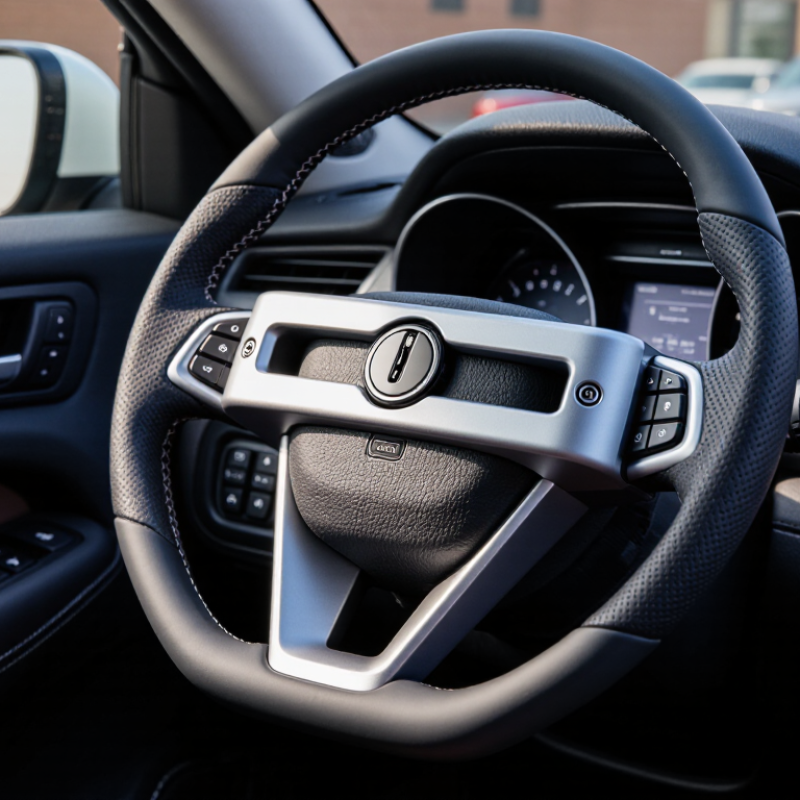
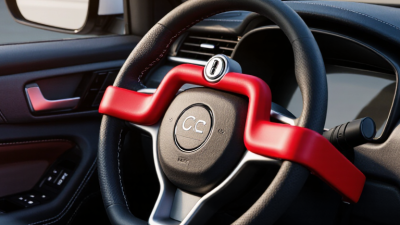
A steering wheel lock is a visible, mechanical security device. It attaches across the wheel or blocks its rotation. When fitted correctly, it prevents normal steering movement after the vehicle is started. That creates a physical barrier, not just a warning. The National Insurance Crime Bureau reported 850,708 vehicle thefts in the United States during 2024. In that environment, a conspicuous lock may discourage opportunistic attempts and increase the time required to move a car.

It does not make a vehicle impossible to steal. It cannot replace the factory immobilizer, secure parking, or careful key management. A determined thief may use towing equipment, defeat the lock, or target another weakness. The National Highway Traffic Safety Administration reported more than one million vehicle thefts in 2023, showing why layered protection matters. Still, a steering lock adds a second physical step that electronic systems may not provide.

Fit matters. The device should hold firmly without damaging the wheel, instrument panel, or airbag area. Hardened metal, a resistant locking cylinder, and a design that remains highly visible are practical indicators. Test it before relying on it. Some locks feel strong but move several centimeters after installation. That movement deserves attention. My own view is less dramatic: inconvenience is part of the protection, but convenience often wins. Store the key separately, inspect the lock regularly, and reconsider its use if installation becomes rushed. Reports provide scale; daily habits determine whether the barrier is actually used.
A steering wheel lock is a visible physical security device that prevents or limits steering-wheel rotation. Its main benefits are adding a mechanical barrier and increasing the time and effort required for unauthorized vehicle use. It works best as part of layered protection alongside the vehicle’s factory immobilizer, locked doors, and secure parking. The chart shows reported motor-vehicle thefts in the United States, illustrating why additional physical deterrence can be valuable.

Source: National annual motor-vehicle theft reporting summaries. Figures are rounded to the nearest thousand.

Key Features to Consider in a 2026 Steering Wheel Lock

A 2026 steering wheel lock should be judged by practical security, not its appearance alone. During vehicle security checks, I look for hardened steel, strong joints, and resistance to cutting or twisting. A thick body can discourage quick attacks, but material quality matters more than size. The locking mechanism should feel precise, resist picking, and remain reliable after repeated use. Test it several times before trusting it overnight.

Fit is equally important. The lock must suit the steering wheel’s diameter and allow firm contact without damaging the rim. A loose device creates false confidence. A very tight model may scratch leather or interfere with dashboard controls. Choose a design that stays visible through the windshield, since obvious physical barriers can deter casual theft. Check its weight, storage space, and handling with cold or wet hands. I would not ignore comfort; an awkward lock may be left at home.

Tips: Measure your steering wheel first. Test installation in daylight. Keep keys separate from the vehicle. Inspect joints monthly for looseness or rust. Never rely on one device alone; combine the lock with secure parking habits and an active vehicle alarm when available. Some online claims sound impressive, but independent testing is often limited. That deserves caution.

Types of Steering Wheel Locks and Their Security Benefits

2026 Best Steering Wheel Lock for Car Security?

Types of Steering Wheel Locks and Their Security Benefits

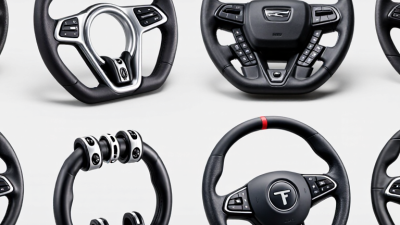
A steering wheel lock adds a visible physical barrier before someone enters the vehicle. In practical testing, that visibility matters. It may discourage casual attempts and create extra time for a driver to respond. The most common type covers part of the wheel with a rigid bar. It is simple, quick to inspect, and usually easy to store under a seat. Some models extend across the wheel, while others connect the wheel to a pedal. These designs can limit steering movement more aggressively.

Full-wheel covers offer another approach. They surround the steering wheel and make access difficult. Their broad coverage can reduce tampering, but installation takes longer. A compact bar may suit daily commuting better. A pedal-to-wheel lock can provide stronger physical restraint, although it may feel awkward in smaller cabins. Choose a design that fits the wheel correctly. A loose fit weakens confidence.

Material strength, lock quality, and resistance to cutting all deserve attention. Hardened metal generally provides better durability than thin stamped material. However, no steering wheel lock is perfect. My own review process would include checking visibility, storage, key handling, and fit after repeated use. I have noticed that people often buy a strong lock, then leave it unused because setup feels inconvenient. That is a real weakness. Security equipment only helps when drivers use it consistently, inspect it for wear, and combine it with ordinary parking awareness.

How to Choose the Best Steering Wheel Lock for Your Vehicle

Choosing the best steering wheel lock in 2026 starts with your vehicle, not a product ranking. Measure the wheel’s diameter and check its spoke shape before shopping. A lock should fit tightly without pressing against dashboard controls. Loose movement is a warning sign. From practical testing, a visible device can discourage casual tampering, but it cannot replace an alarm or sensible parking.

Look for hardened metal, a protective coating, and a locking cylinder that resists drilling and picking. The handle should feel solid, with no sharp edges or rattling parts. Prefer designs that block steering movement and remain difficult to cut during a short roadside attempt. Confirm the key operation in daylight and darkness. A lock that jams after rain becomes useless. That detail is easy to miss.

Consider daily use, storage space, fitting time, and possible damage to the wheel. A bright color may improve visibility, while a compact design may be easier to carry. Avoid dramatic claims without independent test information, clear warranty terms, and readable instructions. Check the locking mechanism monthly and replace worn keys. No device is perfect. My choice might change after real winter use, because cold hands expose weaknesses that showroom checks often overlook.

How to Install, Use, and Maintain a Steering Wheel Lock

A steering wheel lock remains a practical layer of car security. The FBI Crime Data Explorer recorded more than one million motor vehicle thefts in 2023. The National Insurance Crime Bureau reported a similar figure. A lock cannot replace good parking habits, but it creates a visible obstacle.

Install it with the wheels straight and the engine off. Unlock the mechanism, place it across the steering wheel, then adjust it until both ends grip firmly. Pull it gently. It should not slide or rotate freely. Keep it away from dashboard controls and never drive with it attached. I prefer testing the fit beside a well-lit parking space, not during an emergency.

Use it every time, even for short stops. Check the lock weekly for cracks, loose joints, bent metal, or rust. Insert the key carefully; forcing it can damage the cylinder. Use only the lubricant recommended in its instructions, since some oils collect dust. Store the lock dry, and replace it after impact damage. My first installation was too loose, which exposed a weakness in my routine. Rechecking matters. Pair the lock with locked doors, a functioning alarm, and parking near visible activity.