Leave Your Message
-
Phone
-
E-mail
-
Whatsapp



Choosing the right Bicycle Alarm Lock in 2026 requires more than comparing alarm volume and product prices. Global buyers need practical security for streets, campuses, apartment storage areas, and long-distance travel. A reliable lock should combine strong physical protection with a responsive alarm system. It should also suit local weather, bicycle design, and daily riding habits.
This guide examines alarm sensitivity, locking strength, battery life, charging methods, weather resistance, and installation. It considers real situations, such as a bicycle left beside a busy café or secured under a rainy building entrance. A loud alarm can discourage tampering, but excessive sensitivity may react to passing bicycles or strong wind. That detail is easy to overlook. It matters.
Product claims deserve careful checking. Independent testing, clear specifications, warranty support, and verified customer feedback provide stronger evidence than advertising language. Buyers should confirm the lock’s dimensions, mounting position, alarm range, and replacement battery availability before ordering internationally. Shipping conditions and regional after-sales service can also affect the final value.
No single model fits every rider. Some locks offer impressive alarms but modest physical resistance. Others feel durable but are heavy in a backpack. This guide compares those trade-offs honestly, including limitations that manufacturers may not emphasize. A well-chosen Bicycle Alarm Lock will not replace sensible parking habits, yet it can add a useful warning layer when someone touches or moves the bicycle unexpectedly. Security is rarely perfect. Careful selection still makes a measurable difference.
2026 Best Bicycle Alarm Lock for Global Buyers
What Is a Bicycle Alarm Lock and How Does It Work?
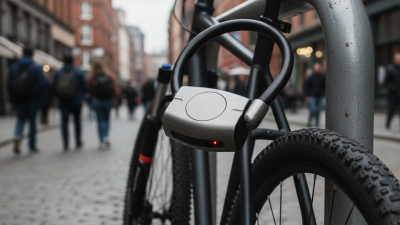
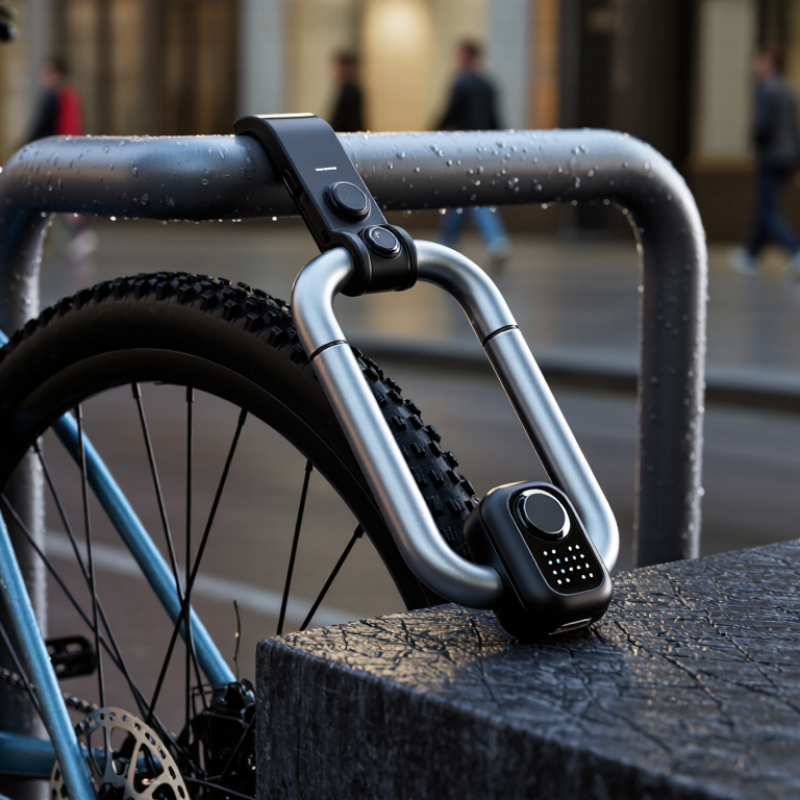
A bicycle alarm lock combines physical restraint with electronic detection. A hardened shackle or cable holds the frame to a fixed object. Inside, a vibration sensor detects lifting, cutting attempts, or repeated movement. A warning chirp may sound first. Continued movement activates a louder siren, often above 100 decibels. Some models also send phone alerts through Bluetooth or cellular connections.
This device is a deterrent, not an invisible shield. A thief may ignore noise in a crowded street. Battery life, false alarms, and weak mounting points can reduce protection. Grand View Research’s 2024 smart-lock market report forecasts strong growth through 2030, showing rising interest in connected security. However, that market data does not prove every bicycle alarm lock is reliable. Hands-on checks still matter. Test the alarm outdoors, inspect the charging port, and confirm its weather rating.
Tips: Choose a lock with a replaceable battery, motion sensitivity control, and a siren timeout. Check the lock’s tested security rating, not only its alarm volume. Use it through the frame and wheel when possible. Keep the alarm code private. A small flaw remains: app features may fail when your phone battery dies. Therefore, a manual key or local keypad is still valuable for global buyers.
| Alarm Lock Category | How It Works | Typical Alarm Output | Common Locking Material | Typical Weight | Typical Power Source | Best Use |
|---|---|---|---|---|---|---|
| Alarm U-Lock | A motion or vibration sensor detects tampering. A warning tone may sound first, followed by a continuous alarm if movement continues. | Approximately 90–120 dB at a stated test distance; actual loudness varies by design and environment. | Hardened steel shackle with a protective coating. | Approximately 1.0–2.0 kg. | Replaceable coin cells or rechargeable lithium battery. | Urban commuting, city parking, and short- to medium-term outdoor locking. |
| Alarm Chain Lock | A sensor inside the lock body responds to vibration, cutting attempts, or repeated movement after the lock is armed. | Approximately 95–115 dB under typical product specifications. | Hardened steel chain links, usually covered with fabric or plastic. | Approximately 1.2–3.0 kg, depending on chain length and diameter. | Replaceable batteries are common; rechargeable versions are also available. | Securing bicycles to wide posts, racks, fences, and other fixed objects. |
| Alarm Cable Lock | A built-in sensor detects movement or tampering while the flexible cable remains wrapped around the bicycle and anchor point. | Approximately 90–110 dB, depending on the alarm module. | Braided steel cable with a PVC or rubber outer coating. | Approximately 0.5–1.2 kg. | Usually replaceable batteries. | Low-weight commuting and secondary locking; less suitable as the only lock in high-risk areas. |
| Smart Alarm Lock | Electronic authentication, such as a keypad, NFC key, fingerprint reader, or mobile application, releases the locking mechanism. Motion detection can activate an alarm. | Typically 90–120 dB, with optional phone notifications on connected models. | Hardened steel body or shackle with an electronic control module. | Approximately 0.8–2.5 kg. | Rechargeable lithium battery; battery life commonly ranges from several weeks to several months depending on use. | Users who want keyless access, activity records, or remote alerts. |
| Alarm Folding Lock | Linked hardened-steel bars fold for transport. A vibration sensor activates a warning or full alarm when tampering is detected. | Approximately 95–115 dB. | Hardened steel bars joined by rivets or protected joints. | Approximately 1.0–1.8 kg. | Replaceable or rechargeable battery, depending on the electronics design. | Travel, commuting, and situations requiring a compact lock with moderate flexibility. |
| Specification | Practical Range or Requirement | Why It Matters |
|---|---|---|
| Alarm Activation | Vibration, motion, tamper, or cable-cut detection; preferably with a short warning stage. | Helps distinguish accidental contact from continued theft attempts and reduces false alarms. |
| Weather Protection | Look for a stated IP rating. IP54 offers protection from limited dust and water splashes; higher ratings provide stronger protection when properly tested. | Outdoor exposure can affect sensors, batteries, keyways, and electronic controls. |
| Shackle or Cable Diameter | U-lock shackles commonly measure about 12–18 mm; cable diameters commonly range from about 8–15 mm. | Thicker hardened steel generally offers greater resistance to common hand tools, although construction quality also matters. |
| Battery Runtime | Commonly several weeks to several months, depending on alarm frequency, standby current, temperature, and connectivity. | Longer runtime reduces maintenance, but buyers should confirm the manufacturer’s test conditions. |
| Operating Temperature | Many electronic locks are specified around -10°C to 60°C, but the tested range differs by model. | Temperature can affect battery capacity, sensor sensitivity, and electronic authentication. |
| Locking Length or Clearance | U-lock internal clearance commonly ranges from about 100–300 mm; chain and cable lengths commonly range from about 800–1,500 mm. | The lock must reach both the bicycle frame and a fixed, immovable object. |
| Unlocking Method | Key, combination, keypad, NFC, fingerprint, or mobile application. | Keyless systems offer convenience but require backup access and sufficient battery power. |
| International Compliance | Verify battery transport documentation, radio approvals for connected models, language requirements, and local import rules. | Requirements can differ between countries and may affect customs clearance, resale, and warranty service. |
Note: Technical values are typical market ranges for bicycle alarm locks and may vary by construction, testing method, battery type, and environmental conditions. An alarm can deter theft and attract attention, but it does not replace a strong mechanical lock secured to a fixed object.